Unwanted Gifts: The Hidden Messages Behind Them
December 22, 2025 - 02:06

Gifts we don’t want or need happen to us all. However, the situation becomes more complicated when these gifts carry a passive-aggressive undertone or hidden agendas. Such gifts can often leave the recipient feeling uneasy, questioning the giver's true intentions.
Understanding the motivations behind these gifts is crucial. They may serve as a means of manipulation, a way to express discontent, or even a misguided attempt at kindness. Responding to these gifts requires a delicate balance of grace and assertiveness.
By recognizing the underlying messages, individuals can navigate these situations more effectively. It’s important to communicate feelings honestly while maintaining respect for the giver. This approach not only helps clarify intentions but also fosters healthier relationships moving forward. Ultimately, the ability to understand and respond to passive-aggressive gifts can transform a potentially negative experience into an opportunity for growth and connection.
MORE NEWS

October 8, 2026 - 15:57
Imitation Is How Children Learn More Than Just WordsWhen a toddler suddenly starts echoing a parent`s words, facial expressions or gestures, it can look like simple mimicry. Developmental psychology research, however, shows that imitation is closely...
October 7, 2026 - 21:42
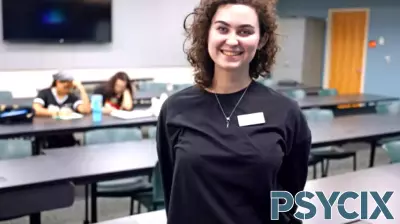
Geisinger Excited About Teaching at SCCKate Geisinger has joined Southeastern Community College as a full-time psychology instructor, bringing with her a strong commitment to student learning and intellectual growth. Geisinger says her...

October 7, 2026 - 03:39
Associate professor of psychology brings evidence-based mental wellness support directly to college studentsKaileigh Byrne, Wallace R. Roy Distinguished Associate Professor of psychology in the College of Behavioral, Social and Health Sciences, has spent years studying how people make decisions under...

October 6, 2026 - 01:22
Inside the Mind: How SailGP Teams Handle Pressure and Build Winning CulturesThe human side of elite sailing takes center stage in the newest chapter of SailGP`s documentary series Racing on the Edge, created alongside Rolex. This installment shifts focus away from boat...