Unseen Adorable Traits That Attract Others
January 11, 2025 - 03:01
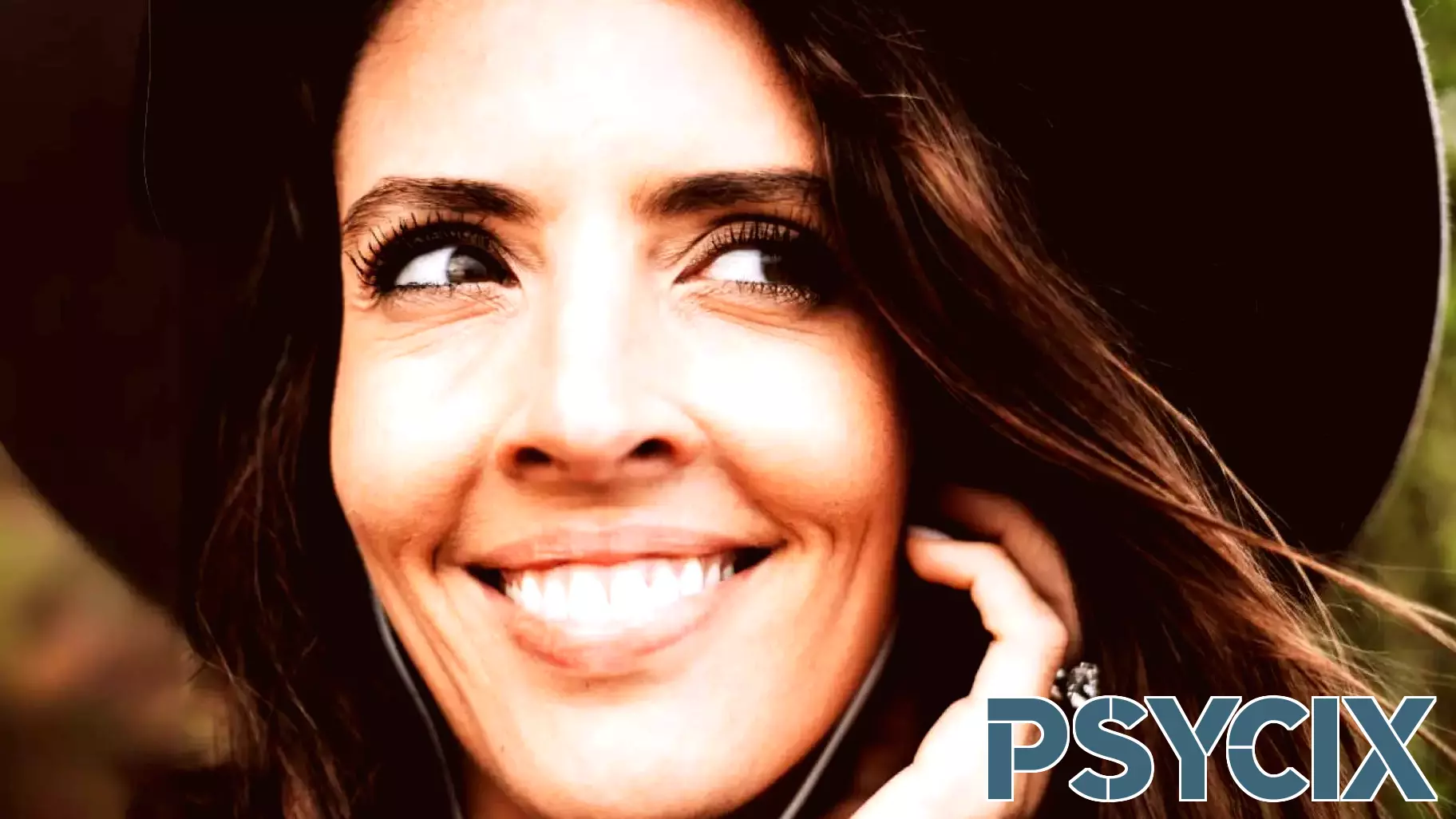
Psychology reveals that certain personality traits can make individuals seem more adorable and approachable, often drawing others in without them even realizing it. These traits, while subtle, play a significant role in fostering connections and creating a welcoming atmosphere.
One of the key traits is warmth, which manifests through genuine smiles and open body language. People who exude warmth tend to make others feel comfortable and valued. Another important characteristic is empathy; those who can understand and share the feelings of others often create deeper bonds.
Additionally, a sense of humor can be incredibly appealing. Light-heartedness and the ability to laugh at oneself can make interactions enjoyable and memorable. Being authentic and true to oneself also resonates with others, as it fosters trust and relatability.
Lastly, a positive outlook on life can be infectious, encouraging those around to adopt a similar mindset. By embodying these traits, individuals can enhance their social interactions and build lasting relationships.
MORE NEWS

October 9, 2026 - 01:11
Psychology Professors Raise Concerns About AI Dependence in StudentsPsychology professors are expressing growing concern that students` increasing reliance on artificial intelligence tools may be weakening essential cognitive and academic skills. In a recent...

October 8, 2026 - 15:57
Imitation Is How Children Learn More Than Just WordsWhen a toddler suddenly starts echoing a parent`s words, facial expressions or gestures, it can look like simple mimicry. Developmental psychology research, however, shows that imitation is closely...
October 7, 2026 - 21:42
Geisinger Excited About Teaching at SCCKate Geisinger has joined Southeastern Community College as a full-time psychology instructor, bringing with her a strong commitment to student learning and intellectual growth. Geisinger says her...

October 7, 2026 - 03:39
Associate professor of psychology brings evidence-based mental wellness support directly to college studentsKaileigh Byrne, Wallace R. Roy Distinguished Associate Professor of psychology in the College of Behavioral, Social and Health Sciences, has spent years studying how people make decisions under...