Unraveling the Mystery of "Aha!" Moments
October 22, 2025 - 04:35
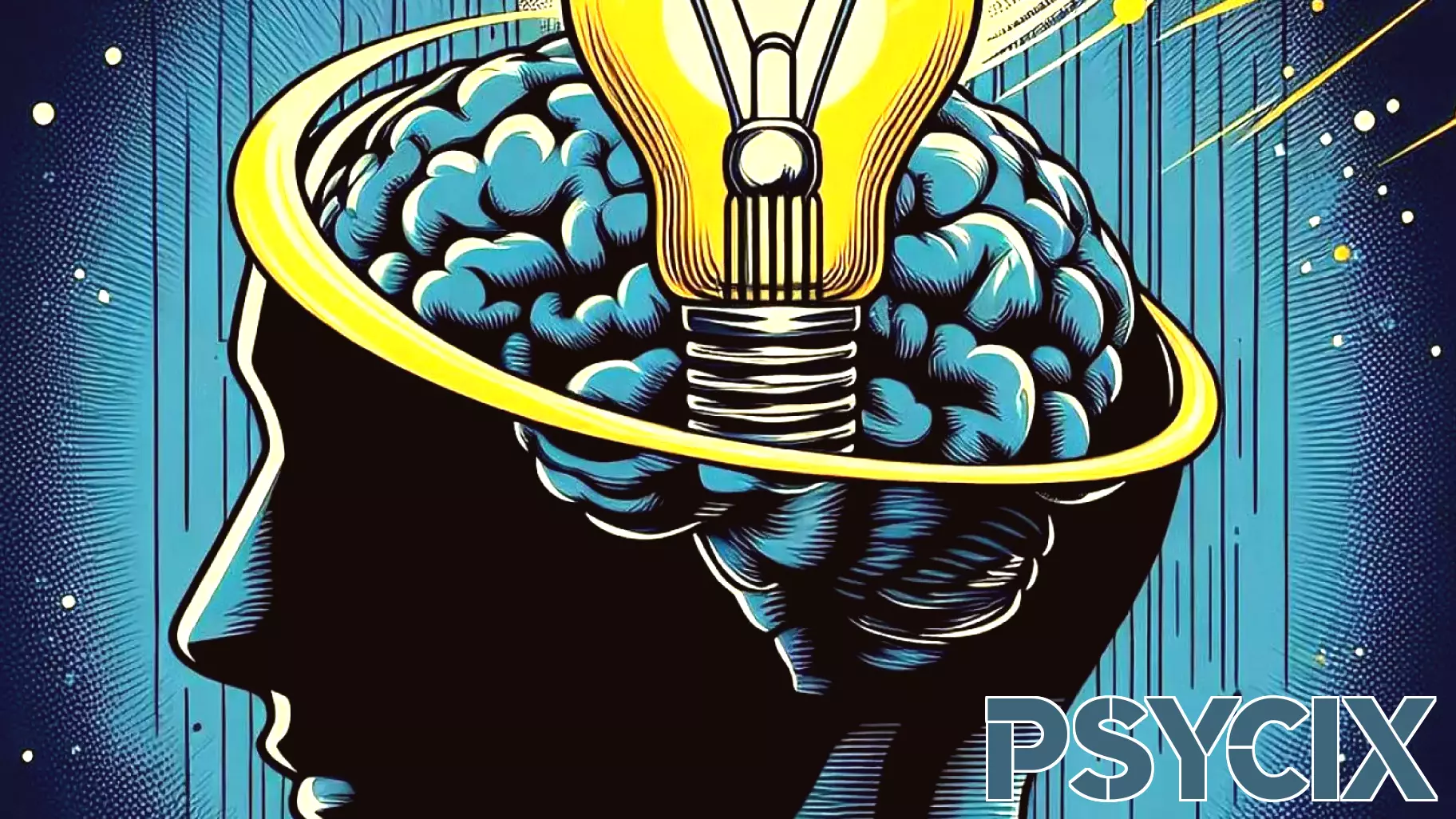
Researchers have made significant strides in understanding the mechanisms behind the elusive and captivating "Aha!" moments. These instances of sudden insight, where clarity strikes unexpectedly, have intrigued scientists and psychologists alike for decades. Recent studies suggest that these moments are not merely random occurrences but are linked to specific cognitive processes and brain activities.
One key insight is that "Aha!" moments often arise after a period of incubation, where the mind subconsciously processes information. This suggests that stepping away from a problem can sometimes be more beneficial than relentless focus. Additionally, neuroimaging studies have shown that these insights are associated with increased activity in the right hemisphere of the brain, particularly in areas related to creativity and problem-solving.
Furthermore, emotional states play a crucial role in facilitating these moments. Positive emotions can enhance cognitive flexibility, allowing individuals to connect disparate ideas more easily. Despite these advancements, the full nature of "Aha!" moments remains shrouded in mystery, leaving researchers eager to explore further. Understanding these insights could unlock new pathways for creativity and innovation across various fields.
MORE NEWS

October 17, 2026 - 17:32
Debunking Common Psychology MythsSpoiler alert: opposites do not attract. That popular belief is just one of many psychology `facts` that turn out to be myths. A closer look at the research reveals several ideas people repeat...

October 17, 2026 - 06:31
The Psychology Behind Why People Enjoy Being ScaredThere are two kinds of people in October: those who count down the days until they can visit a haunted house, and those who would rather spend the evening anywhere else. For the first group, the...

October 16, 2026 - 17:10
How Psychological Stress Sets Off Arthritis Flares Through an Inflammatory PathwayPsychological stress has long been associated with worsening symptoms in rheumatoid arthritis (RA). However, the underlying mechanism connecting psychological stress to the occurrence of joint...

October 16, 2026 - 08:44
International experts analyze the psychology behind workplace gossip.Mental health has become a growing concern in professional settings, where job pressure and relationships between colleagues shape how employees feel about their work. Researchers are now taking a...