Unlocking Curiosity: Insights from a 6-Year-Old's Inquisitive Nature
December 27, 2024 - 12:54

Curiosity is a powerful tool for learning, and a recent exploration into the questions of a 6-year-old highlights its significance. Children at this age are often brimming with questions, each one a doorway to deeper understanding and exploration. Their relentless inquiries—ranging from the mechanics of how things work to the mysteries of nature—serve as a reminder of the innate curiosity within all of us.
Engaging with a child's questions not only fosters their growth but also reignites a sense of wonder in adults. It encourages a collaborative learning experience, where both parties can discover new concepts and ideas together. This dynamic exchange can lead to meaningful conversations, sparking creativity and critical thinking skills.
Moreover, embracing curiosity can enhance problem-solving abilities and adaptability in an ever-changing world. By nurturing this inquisitive spirit, we can cultivate a lifelong love for learning that transcends age, benefiting both children and adults alike.
MORE NEWS

October 8, 2026 - 15:57
Imitation Is How Children Learn More Than Just WordsWhen a toddler suddenly starts echoing a parent`s words, facial expressions or gestures, it can look like simple mimicry. Developmental psychology research, however, shows that imitation is closely...
October 7, 2026 - 21:42
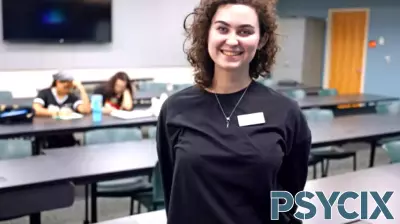
Geisinger Excited About Teaching at SCCKate Geisinger has joined Southeastern Community College as a full-time psychology instructor, bringing with her a strong commitment to student learning and intellectual growth. Geisinger says her...

October 7, 2026 - 03:39
Associate professor of psychology brings evidence-based mental wellness support directly to college studentsKaileigh Byrne, Wallace R. Roy Distinguished Associate Professor of psychology in the College of Behavioral, Social and Health Sciences, has spent years studying how people make decisions under...

October 6, 2026 - 01:22
Inside the Mind: How SailGP Teams Handle Pressure and Build Winning CulturesThe human side of elite sailing takes center stage in the newest chapter of SailGP`s documentary series Racing on the Edge, created alongside Rolex. This installment shifts focus away from boat...