Understanding the Sweetness of Others' Misfortunes
August 7, 2025 - 13:09
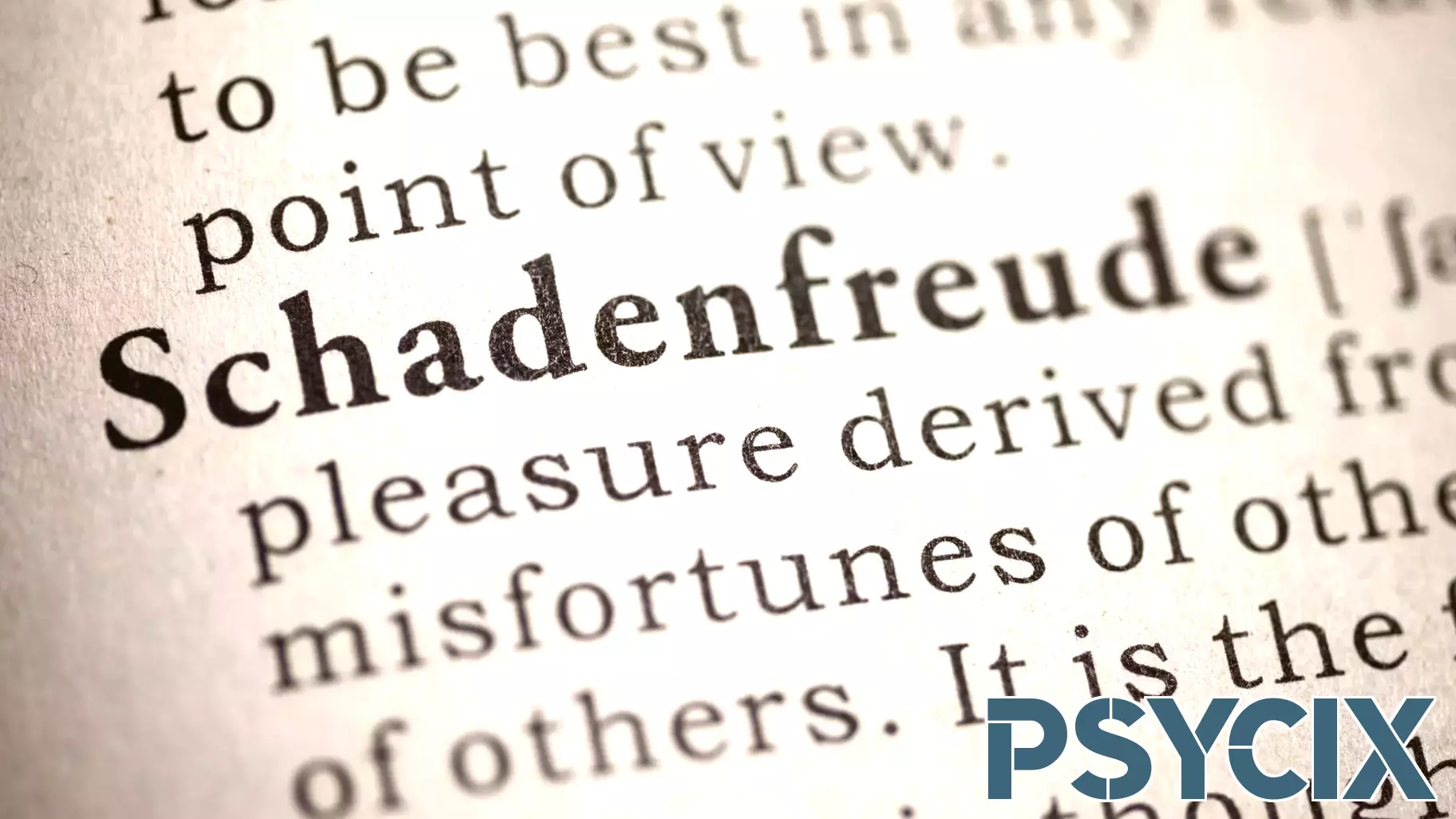
"The misfortune of others tastes like honey" is a Japanese saying that resonates with many, reflecting a complex emotional response known as Schadenfreude. This phenomenon, where individuals derive pleasure from the misfortunes of others, can be explained through two primary reasons.
Firstly, social comparison plays a significant role in this feeling. When we observe someone facing difficulties, it can serve as a benchmark that makes our own lives seem more favorable. This comparison can boost our self-esteem and provide a sense of relief, reinforcing the idea that we are better off than others.
Secondly, the concept of justice also contributes to this emotion. When we perceive that someone has received a comeuppance for their wrongdoings, it can evoke a sense of satisfaction. This belief in karmic retribution reinforces our understanding of fairness in social dynamics, making us feel justified in our enjoyment of their plight.
Together, these factors reveal why the discomfort of others can sometimes bring unexpected joy, highlighting the intricate nature of human emotions.
MORE NEWS

October 9, 2026 - 21:25
Psychologist reveals 'neurological' cause of Trump’s on-camera 'microsleep'President Donald Trump has repeatedly been caught on video appearing to doze off during meetings and public events, and one medical expert argues the explanation goes beyond simple fatigue....

October 9, 2026 - 01:11
Psychology Professors Raise Concerns About AI Dependence in StudentsPsychology professors are expressing growing concern that students` increasing reliance on artificial intelligence tools may be weakening essential cognitive and academic skills. In a recent...

October 8, 2026 - 15:57
Imitation Is How Children Learn More Than Just WordsWhen a toddler suddenly starts echoing a parent`s words, facial expressions or gestures, it can look like simple mimicry. Developmental psychology research, however, shows that imitation is closely...
October 7, 2026 - 21:42
Geisinger Excited About Teaching at SCCKate Geisinger has joined Southeastern Community College as a full-time psychology instructor, bringing with her a strong commitment to student learning and intellectual growth. Geisinger says her...