Understanding the Psychology of Mountaineers: Sensation Seekers and Risk Takers
May 20, 2025 - 22:41
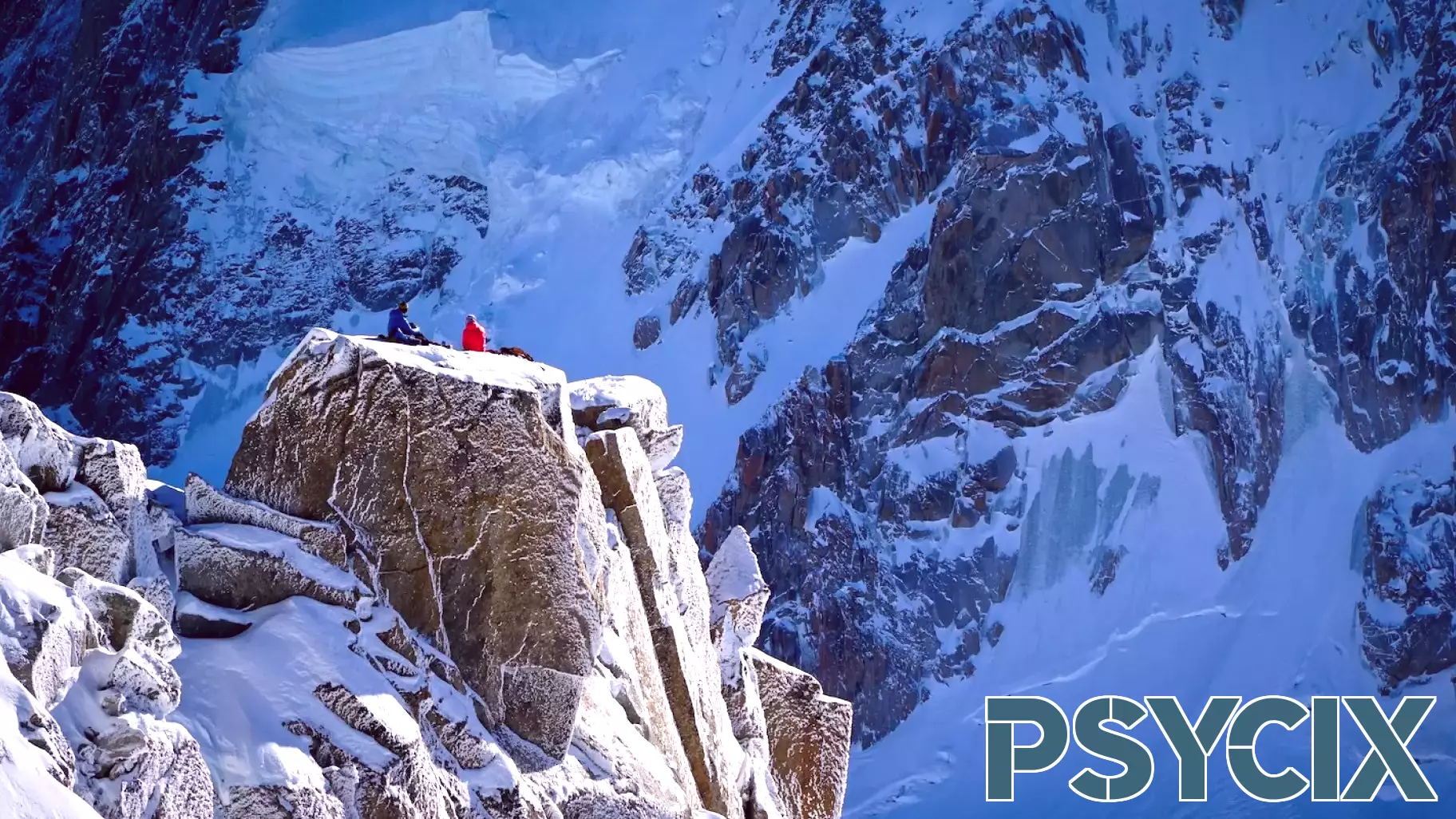
Mountaineering is often seen as a pursuit for thrill-seekers, but what drives these adventurers to scale the world's tallest peaks? Recent psychological research sheds light on the complex personality traits that characterize mountaineers. Many are identified as sensation seekers, individuals who crave novel and intense experiences. This desire for adventure often leads them to engage in high-risk activities, pushing the boundaries of safety and comfort.
Furthermore, studies suggest that mountaineers may exhibit traits associated with emotional unavailability. This could manifest as a preference for solitude or a tendency to prioritize personal challenges over social connections. Such characteristics may enhance their ability to cope with the physical and mental demands of extreme environments.
Understanding these psychological factors not only helps clarify the motivations behind mountaineering but also provides insight into the broader human experience of risk and reward. As more research emerges, the intricate relationship between personality and adventure continues to captivate both psychologists and outdoor enthusiasts alike.
MORE NEWS

October 18, 2026 - 06:35
Psychologist Weighs In on Trump's Health RemarksPresident Donald Trump made a rather alarming admission about suffering from some `very severe problems` with his health, and now a psychologist has weighed in with evidence for what some of those...

October 17, 2026 - 17:32
Debunking Common Psychology MythsSpoiler alert: opposites do not attract. That popular belief is just one of many psychology `facts` that turn out to be myths. A closer look at the research reveals several ideas people repeat...

October 17, 2026 - 06:31
The Psychology Behind Why People Enjoy Being ScaredThere are two kinds of people in October: those who count down the days until they can visit a haunted house, and those who would rather spend the evening anywhere else. For the first group, the...

October 16, 2026 - 17:10
How Psychological Stress Sets Off Arthritis Flares Through an Inflammatory PathwayPsychological stress has long been associated with worsening symptoms in rheumatoid arthritis (RA). However, the underlying mechanism connecting psychological stress to the occurrence of joint...