Understanding the Psychological Dynamics of Elliott Waves
December 4, 2024 - 11:12

Elliott waves serve as a fascinating lens through which to examine the collective psychological states of market participants. Developed by Ralph Nelson Elliott in the 1930s, this theory posits that market movements are not merely random but are instead driven by the emotions and behaviors of investors.
One of the primary characteristics of Elliott waves is their fractal nature, meaning that these patterns can be observed across various time frames. Each wave consists of a sequence of five upward movements followed by three corrective phases, illustrating the cyclical nature of market sentiment. The initial waves often reflect optimism and a sense of security, while the corrective phases reveal fear and uncertainty.
Additionally, the theory emphasizes the role of mass psychology in shaping market trends. As investors react to news and events, their collective emotions can lead to predictable patterns in price movements. Understanding these psychological dynamics can provide traders with valuable insights into potential future market behavior, making Elliott waves a significant tool for technical analysis in financial markets.
MORE NEWS

October 8, 2026 - 15:57
Imitation Is How Children Learn More Than Just WordsWhen a toddler suddenly starts echoing a parent`s words, facial expressions or gestures, it can look like simple mimicry. Developmental psychology research, however, shows that imitation is closely...
October 7, 2026 - 21:42
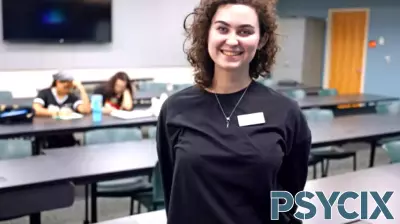
Geisinger Excited About Teaching at SCCKate Geisinger has joined Southeastern Community College as a full-time psychology instructor, bringing with her a strong commitment to student learning and intellectual growth. Geisinger says her...

October 7, 2026 - 03:39
Associate professor of psychology brings evidence-based mental wellness support directly to college studentsKaileigh Byrne, Wallace R. Roy Distinguished Associate Professor of psychology in the College of Behavioral, Social and Health Sciences, has spent years studying how people make decisions under...

October 6, 2026 - 01:22
Inside the Mind: How SailGP Teams Handle Pressure and Build Winning CulturesThe human side of elite sailing takes center stage in the newest chapter of SailGP`s documentary series Racing on the Edge, created alongside Rolex. This installment shifts focus away from boat...