Understanding the Neural Pathways Behind Fear Memory Formation
May 16, 2025 - 16:38
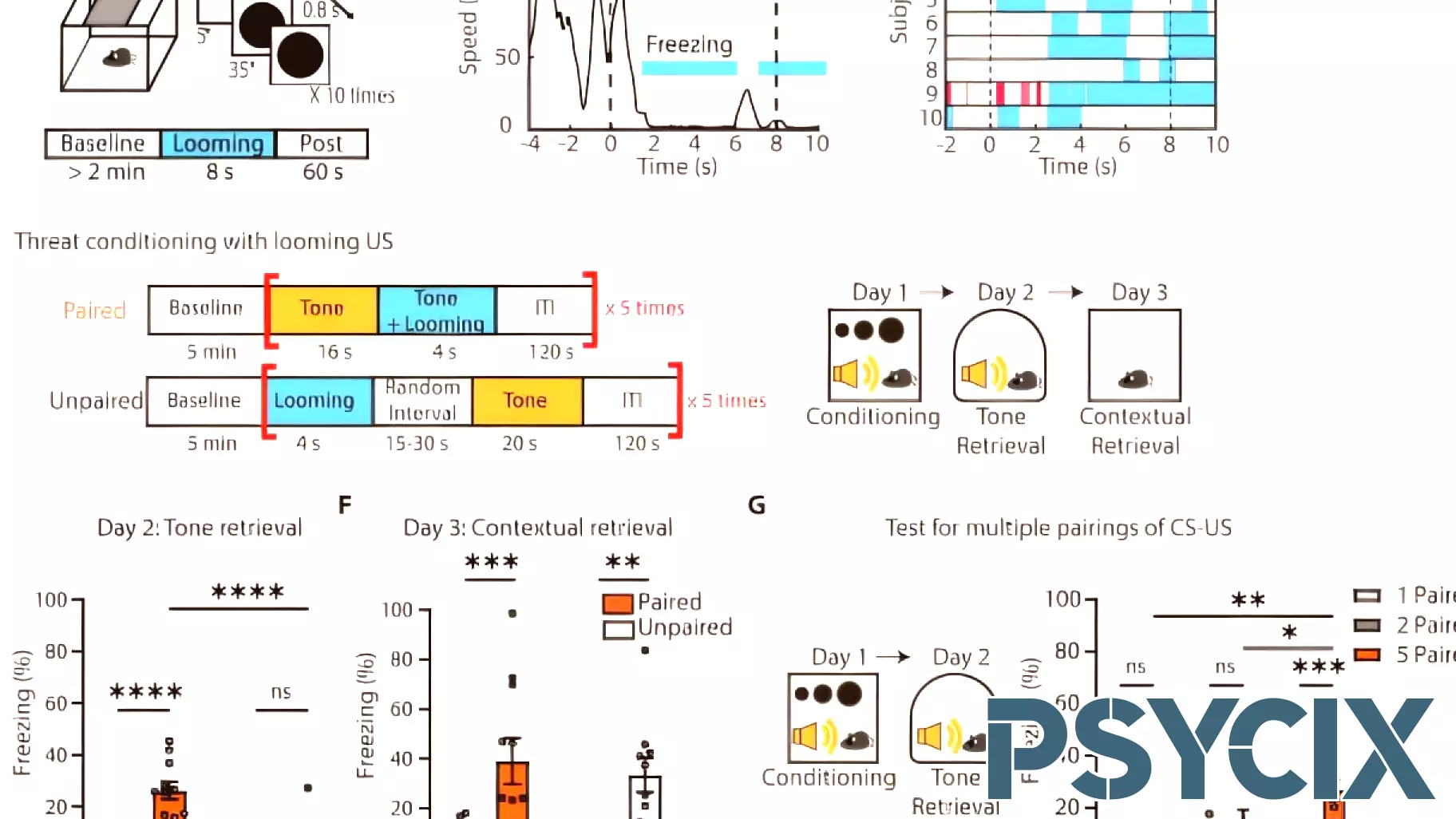
Fear memories can form in the brain following exposure to threatening situations such as natural disasters, accidents, or violence. When these memories become excessive or distorted, they can lead to anxiety disorders and other mental health issues. Recent research has shed light on the key neural pathways involved in this process, revealing how the brain encodes and retrieves these fear-related memories.
The study highlights the role of specific brain regions, particularly the amygdala and hippocampus, in processing emotional responses to threats. These areas work together to create a lasting imprint of fear, which can trigger heightened responses to similar situations in the future. Understanding these mechanisms is crucial for developing effective treatments for individuals suffering from conditions like post-traumatic stress disorder (PTSD).
This research not only enhances our comprehension of fear memory formation but also opens the door for potential therapeutic interventions aimed at mitigating the effects of traumatic experiences on mental health. By targeting the neural pathways involved, scientists hope to provide relief to those affected by debilitating fear memories.
MORE NEWS

October 17, 2026 - 17:32
Debunking Common Psychology MythsSpoiler alert: opposites do not attract. That popular belief is just one of many psychology `facts` that turn out to be myths. A closer look at the research reveals several ideas people repeat...

October 17, 2026 - 06:31
The Psychology Behind Why People Enjoy Being ScaredThere are two kinds of people in October: those who count down the days until they can visit a haunted house, and those who would rather spend the evening anywhere else. For the first group, the...

October 16, 2026 - 17:10
How Psychological Stress Sets Off Arthritis Flares Through an Inflammatory PathwayPsychological stress has long been associated with worsening symptoms in rheumatoid arthritis (RA). However, the underlying mechanism connecting psychological stress to the occurrence of joint...
October 16, 2026 - 08:44
International experts analyze the psychology behind workplace gossip.Mental health has become a growing concern in professional settings, where job pressure and relationships between colleagues shape how employees feel about their work. Researchers are now taking a...