Understanding the Ben Franklin Effect: Transforming Relationships Through Kindness
November 24, 2025 - 18:19
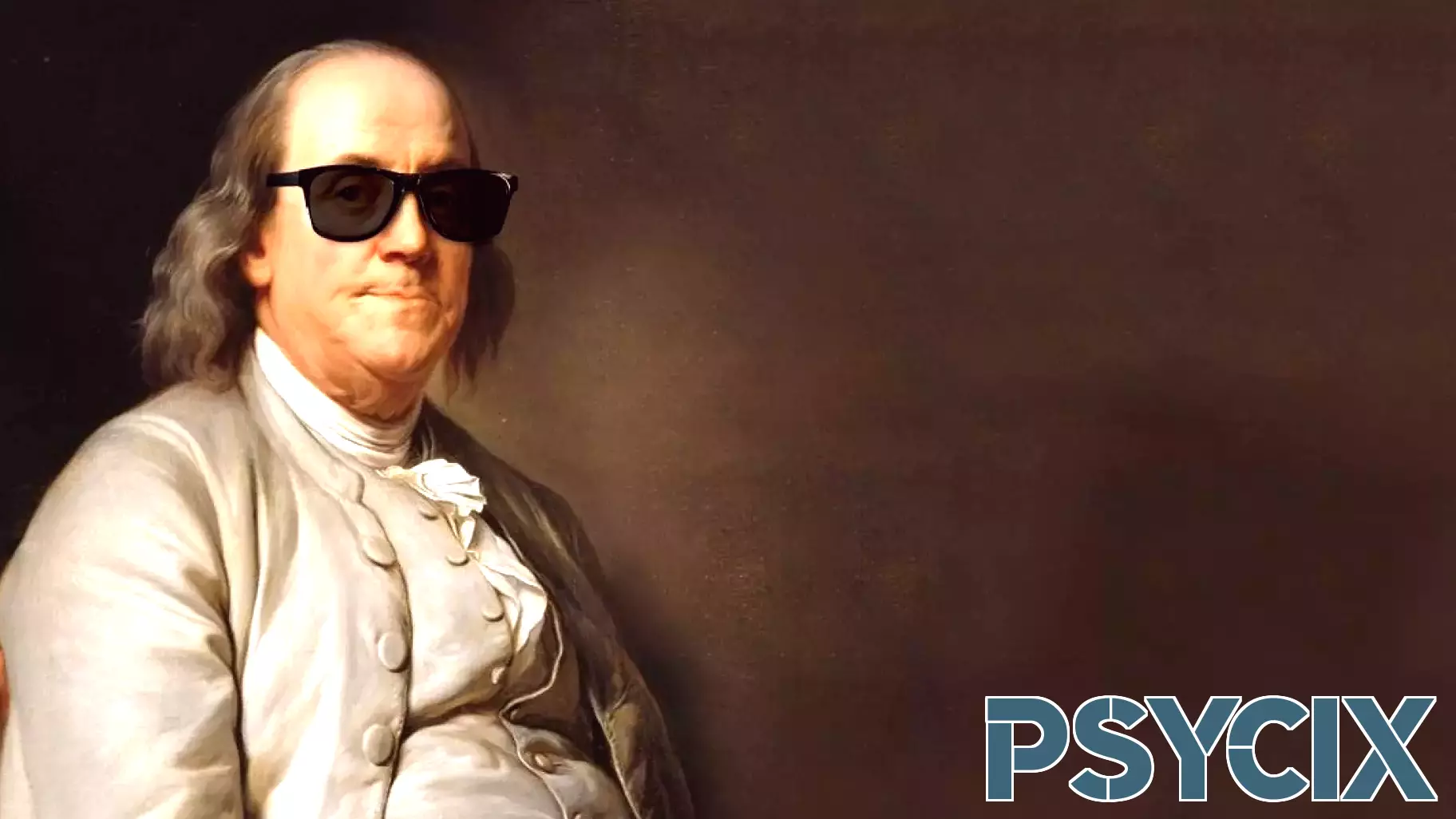
The science behind the Ben Franklin effect reveals how small acts of kindness can significantly enhance interpersonal relationships, workplace dynamics, and even individual self-perception. This psychological phenomenon suggests that when someone does a favor for another person, they are more likely to develop a positive attitude toward that individual. Essentially, the act of doing a good deed creates a cognitive dissonance that leads to an increased liking for the person who received the favor.
In practice, this means that engaging in small acts of kindness can be a powerful tool for improving social connections. Whether it’s helping a colleague with a project or offering support to a friend, these gestures can foster goodwill and strengthen bonds. Moreover, the Ben Franklin effect can also influence how we view ourselves; by performing acts of kindness, we may enhance our own self-esteem and sense of identity.
Incorporating this understanding into daily interactions can lead to a more harmonious environment, both personally and professionally. By recognizing the potential of small favors, individuals can cultivate deeper and more meaningful relationships.
MORE NEWS

October 8, 2026 - 15:57
Imitation Is How Children Learn More Than Just WordsWhen a toddler suddenly starts echoing a parent`s words, facial expressions or gestures, it can look like simple mimicry. Developmental psychology research, however, shows that imitation is closely...
October 7, 2026 - 21:42
Geisinger Excited About Teaching at SCCKate Geisinger has joined Southeastern Community College as a full-time psychology instructor, bringing with her a strong commitment to student learning and intellectual growth. Geisinger says her...
October 7, 2026 - 03:39
Associate professor of psychology brings evidence-based mental wellness support directly to college studentsKaileigh Byrne, Wallace R. Roy Distinguished Associate Professor of psychology in the College of Behavioral, Social and Health Sciences, has spent years studying how people make decisions under...

October 6, 2026 - 01:22
Inside the Mind: How SailGP Teams Handle Pressure and Build Winning CulturesThe human side of elite sailing takes center stage in the newest chapter of SailGP`s documentary series Racing on the Edge, created alongside Rolex. This installment shifts focus away from boat...