Understanding PTSD: Common Misconceptions and Key Insights
June 11, 2025 - 02:38

Post-Traumatic Stress Disorder (PTSD) is a mental health condition that affects many individuals, yet it remains widely misunderstood. One of the most significant facts about PTSD is that it can develop after experiencing or witnessing traumatic events. This can include military combat, natural disasters, accidents, or personal assaults. Contrary to some beliefs, PTSD is not a sign of weakness; it is a legitimate psychological response to trauma.
Another critical aspect is that PTSD is treatable. Various therapies, including cognitive-behavioral therapy (CBT) and exposure therapy, have proven effective in helping individuals manage symptoms. Medications can also play a role in treatment, providing relief from anxiety and depression often associated with PTSD.
Awareness and education about PTSD are essential. Many people may not recognize the signs, which can include flashbacks, nightmares, and severe anxiety. Support from friends, family, and mental health professionals can significantly impact recovery. Understanding PTSD fosters empathy and encourages those affected to seek help, ultimately leading to improved quality of life.
MORE NEWS

October 8, 2026 - 15:57
Imitation Is How Children Learn More Than Just WordsWhen a toddler suddenly starts echoing a parent`s words, facial expressions or gestures, it can look like simple mimicry. Developmental psychology research, however, shows that imitation is closely...
October 7, 2026 - 21:42
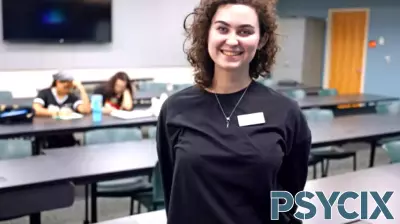
Geisinger Excited About Teaching at SCCKate Geisinger has joined Southeastern Community College as a full-time psychology instructor, bringing with her a strong commitment to student learning and intellectual growth. Geisinger says her...

October 7, 2026 - 03:39
Associate professor of psychology brings evidence-based mental wellness support directly to college studentsKaileigh Byrne, Wallace R. Roy Distinguished Associate Professor of psychology in the College of Behavioral, Social and Health Sciences, has spent years studying how people make decisions under...

October 6, 2026 - 01:22
Inside the Mind: How SailGP Teams Handle Pressure and Build Winning CulturesThe human side of elite sailing takes center stage in the newest chapter of SailGP`s documentary series Racing on the Edge, created alongside Rolex. This installment shifts focus away from boat...