Understanding Our Emotional Responses to Christmas Advertisements
November 4, 2025 - 20:38

Whether you groaned or welled up at the latest holiday commercial, the psychology behind our reactions to Christmas ads is intriguing. Each year, brands invest heavily in creating memorable advertisements that evoke a range of emotions. These ads often tap into themes of nostalgia, family, and togetherness, which can stir deep-seated feelings within viewers.
The emotional impact of these advertisements is rooted in our personal experiences and cultural associations with the holiday season. For some, Christmas represents joy and warmth, leading to positive responses to heartwarming ads. Conversely, others may feel overwhelmed or even resentful, associating the season with stress or commercialism.
Psychologists suggest that our reactions can be influenced by factors such as past experiences, societal expectations, and even the current state of our lives. Ultimately, the way we connect with these holiday ads reveals much about our individual perspectives on the festive season and the values we hold dear.
MORE NEWS

October 8, 2026 - 15:57
Imitation Is How Children Learn More Than Just WordsWhen a toddler suddenly starts echoing a parent`s words, facial expressions or gestures, it can look like simple mimicry. Developmental psychology research, however, shows that imitation is closely...

October 7, 2026 - 21:42
Geisinger Excited About Teaching at SCCKate Geisinger has joined Southeastern Community College as a full-time psychology instructor, bringing with her a strong commitment to student learning and intellectual growth. Geisinger says her...

October 7, 2026 - 03:39
Associate professor of psychology brings evidence-based mental wellness support directly to college studentsKaileigh Byrne, Wallace R. Roy Distinguished Associate Professor of psychology in the College of Behavioral, Social and Health Sciences, has spent years studying how people make decisions under...
October 6, 2026 - 01:22
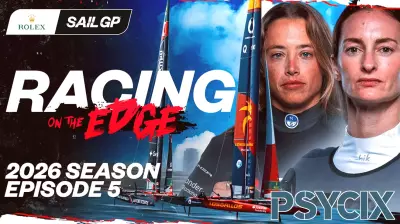
Inside the Mind: How SailGP Teams Handle Pressure and Build Winning CulturesThe human side of elite sailing takes center stage in the newest chapter of SailGP`s documentary series Racing on the Edge, created alongside Rolex. This installment shifts focus away from boat...