Transforming School-Based Mental Health Services with Project UPCAST
April 3, 2025 - 10:15

The need for childhood and adolescent mental health care is greater than ever. In response to this urgent demand, the BRIDGE Center is spearheading a transformative initiative known as Project UPCAST. This project aims to enhance mental health services within schools, ensuring that students have access to the support they need during critical developmental years.
Project UPCAST focuses on integrating mental health resources directly into the school environment, where students spend a significant portion of their time. By providing on-site support, the initiative seeks to eliminate barriers to accessing care, such as transportation issues and stigma associated with seeking help. The program includes training for educators to recognize mental health challenges and provide appropriate interventions.
Through collaboration with mental health professionals, Project UPCAST aims to create a comprehensive support system that addresses the emotional and psychological needs of students. This innovative approach not only promotes mental well-being but also fosters a more conducive learning environment, ultimately benefiting the entire school community.
MORE NEWS

October 8, 2026 - 15:57
Imitation Is How Children Learn More Than Just WordsWhen a toddler suddenly starts echoing a parent`s words, facial expressions or gestures, it can look like simple mimicry. Developmental psychology research, however, shows that imitation is closely...
October 7, 2026 - 21:42
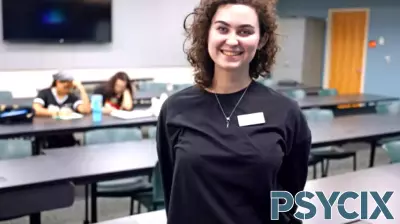
Geisinger Excited About Teaching at SCCKate Geisinger has joined Southeastern Community College as a full-time psychology instructor, bringing with her a strong commitment to student learning and intellectual growth. Geisinger says her...

October 7, 2026 - 03:39
Associate professor of psychology brings evidence-based mental wellness support directly to college studentsKaileigh Byrne, Wallace R. Roy Distinguished Associate Professor of psychology in the College of Behavioral, Social and Health Sciences, has spent years studying how people make decisions under...

October 6, 2026 - 01:22
Inside the Mind: How SailGP Teams Handle Pressure and Build Winning CulturesThe human side of elite sailing takes center stage in the newest chapter of SailGP`s documentary series Racing on the Edge, created alongside Rolex. This installment shifts focus away from boat...