Transforming Education: The Role of Large Language Models in Fostering Curiosity
July 25, 2025 - 23:15
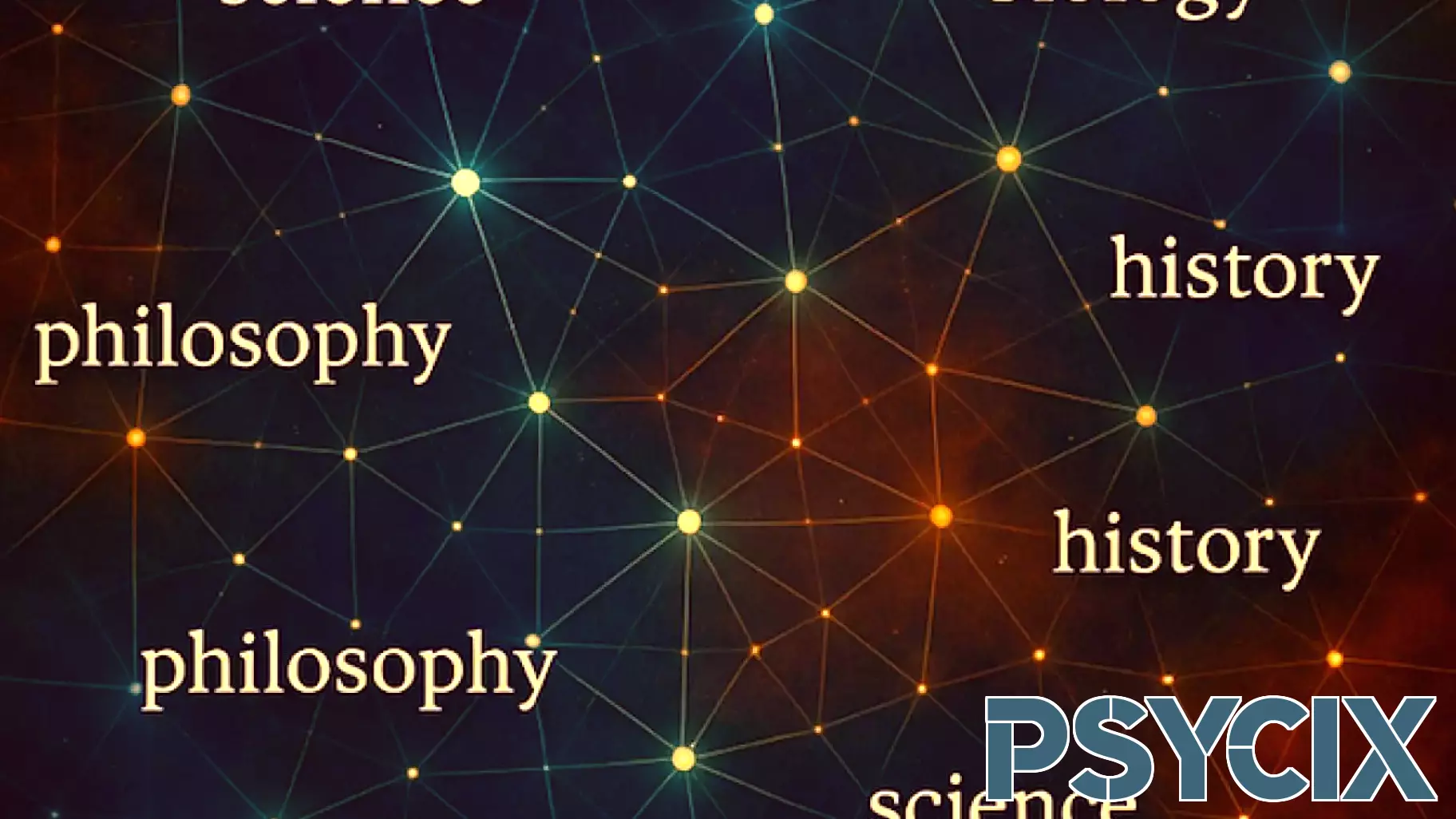
In recent years, large language models have emerged as powerful tools in the educational landscape, reshaping how knowledge is disseminated and absorbed. These advanced technologies facilitate a dynamic learning environment that encourages curiosity and engagement among students. By providing instant access to information and personalized learning experiences, they enable learners to explore subjects in depth and at their own pace.
The integration of large language models into educational platforms allows for interactive dialogue, enabling students to ask questions and receive immediate feedback. This fosters an atmosphere of inquiry, where students are not just passive recipients of information but active participants in their own learning journey. As a result, traditional rote memorization is replaced with critical thinking and problem-solving skills, essential for success in the modern world.
Furthermore, these models can adapt to various learning styles, making education more inclusive and accessible. By breaking down barriers to knowledge, large language models are transforming education into a vibrant web of curiosity and meaning, paving the way for a new era of lifelong learning.
MORE NEWS

October 8, 2026 - 15:57
Imitation Is How Children Learn More Than Just WordsWhen a toddler suddenly starts echoing a parent`s words, facial expressions or gestures, it can look like simple mimicry. Developmental psychology research, however, shows that imitation is closely...
October 7, 2026 - 21:42
Geisinger Excited About Teaching at SCCKate Geisinger has joined Southeastern Community College as a full-time psychology instructor, bringing with her a strong commitment to student learning and intellectual growth. Geisinger says her...
October 7, 2026 - 03:39
Associate professor of psychology brings evidence-based mental wellness support directly to college studentsKaileigh Byrne, Wallace R. Roy Distinguished Associate Professor of psychology in the College of Behavioral, Social and Health Sciences, has spent years studying how people make decisions under...

October 6, 2026 - 01:22
Inside the Mind: How SailGP Teams Handle Pressure and Build Winning CulturesThe human side of elite sailing takes center stage in the newest chapter of SailGP`s documentary series Racing on the Edge, created alongside Rolex. This installment shifts focus away from boat...