The Trust Gap: Why AI Disclosure Creates a Psychological Paradox
September 16, 2026 - 15:52

People tend to have a negative bias toward AI interactions. When told a machine is involved, they often trust the output less, even if the information is identical to what a human would provide. This creates what researchers call a disclosure paradox.
The paradox works like this. Companies are pressured to be transparent about AI use. Regulators want labels. Consumers say they want to know when they are talking to a machine. But when that disclosure happens, trust drops. The same advice, the same medical information, the same customer service response gets rated lower simply because a person knows an algorithm produced it.
This puts organizations in a bind. Hide the AI and risk accusations of deception. Reveal it and watch engagement fall. Neither option is good.
Some researchers suggest the problem is not disclosure itself but how it is framed. A label that says "AI assisted" lands differently than one that says "generated by AI." Context matters. So does the task. People seem more accepting of AI in logistics or scheduling than in emotional support or medical diagnosis.
There is also evidence that bias fades with repeated exposure. Early interactions with AI chatbots showed strong negative reactions. Over time, those reactions softened as people got used to the technology.
The question is not whether disclosure should happen. It should. The real question is how to disclose without triggering an automatic distrust response. That remains unresolved.
MORE NEWS
October 31, 2026 - 01:41
ASU fans booed QB Cutter Boley, raising questions about fan, athlete psychologyArizona State fans directed boos at quarterback Cutter Boley before he had even taken a snap against Kansas State, a moment that quickly drew a sharp response from coach Kenny Dillingham and opened...
October 30, 2026 - 01:28
Franklin College Introduces First Sports Psychologist to Address Athlete Mental HealthFrom performance pressure, negative self-talk and emotional regulation, to balancing course loads, daily practices and finances, Division III athletes are under a unique amount of stress. At...

October 29, 2026 - 06:13
Small Lies and Real Feelings: Rethinking the White LieWe are often taught that lying is wrong. But everyday life is full of small, seemingly harmless lies: telling a friend their haircut looks great when you are not convinced, saying you loved a gift...
October 28, 2026 - 22:12
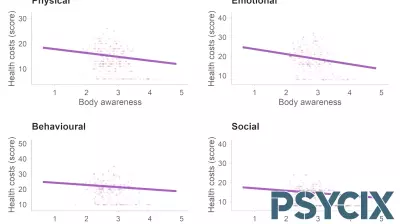
Body Awareness May Reduce the Health Cost of Following PoliticsA study of more than 2,000 Americans across two elections found that people who notice and trust their body`s signals reported fewer physical, emotional, behavioral and social costs from politics....