The Therapeutic Influence of Language in the Era of Artificial Intelligence
August 19, 2025 - 22:24

Words have long served as one of humanity's most ancient forms of healing. In a world increasingly influenced by technology, particularly artificial intelligence, the power of language continues to play a vital role in emotional and psychological well-being.
As we navigate the complexities of modern life, the ability to express thoughts and feelings through words remains crucial. Whether through literature, therapy, or everyday conversations, language has the potential to comfort, inspire, and heal. The rise of AI presents new opportunities for enhancing this healing process. AI-driven applications can facilitate communication, provide instant access to mental health resources, and even generate personalized content that resonates with individuals' experiences.
Moreover, AI can assist therapists in understanding their clients better by analyzing speech patterns and emotional cues. However, it is essential to remember that the human touch—empathy, understanding, and genuine connection—remains irreplaceable. As we embrace these technological advancements, the timeless power of words should continue to be celebrated and utilized for healing and connection.
MORE NEWS

October 8, 2026 - 15:57
Imitation Is How Children Learn More Than Just WordsWhen a toddler suddenly starts echoing a parent`s words, facial expressions or gestures, it can look like simple mimicry. Developmental psychology research, however, shows that imitation is closely...
October 7, 2026 - 21:42
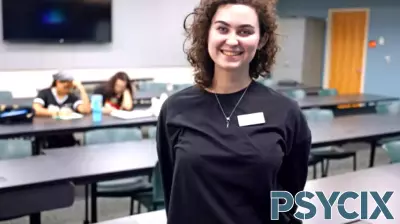
Geisinger Excited About Teaching at SCCKate Geisinger has joined Southeastern Community College as a full-time psychology instructor, bringing with her a strong commitment to student learning and intellectual growth. Geisinger says her...

October 7, 2026 - 03:39
Associate professor of psychology brings evidence-based mental wellness support directly to college studentsKaileigh Byrne, Wallace R. Roy Distinguished Associate Professor of psychology in the College of Behavioral, Social and Health Sciences, has spent years studying how people make decisions under...

October 6, 2026 - 01:22
Inside the Mind: How SailGP Teams Handle Pressure and Build Winning CulturesThe human side of elite sailing takes center stage in the newest chapter of SailGP`s documentary series Racing on the Edge, created alongside Rolex. This installment shifts focus away from boat...