The Success of Ambiverts: Key Traits Revealed by Expert
February 22, 2025 - 03:22

Ambiverts are increasingly recognized as the most successful personality type, according to psychology expert Stefan Falk. With three decades of experience coaching CEOs, Falk highlights the unique advantages that ambiverts possess, making them stand out in both personal and professional realms.
Falk identifies several key signs that indicate someone might be an ambivert. These individuals are adaptable, capable of thriving in both social settings and solitary environments. They exhibit a balanced approach to communication, often feeling comfortable engaging in deep conversations while also enjoying lighter, more casual interactions. Ambiverts are skilled at reading social cues, allowing them to connect with a diverse range of people.
Moreover, their flexibility enables them to switch between introverted and extroverted behaviors, making them versatile team players. This adaptability not only enhances their relationships but also positions them for leadership roles. By cultivating ambivert traits, anyone can improve their social skills and increase their chances of success in various aspects of life.
MORE NEWS

October 8, 2026 - 15:57
Imitation Is How Children Learn More Than Just WordsWhen a toddler suddenly starts echoing a parent`s words, facial expressions or gestures, it can look like simple mimicry. Developmental psychology research, however, shows that imitation is closely...
October 7, 2026 - 21:42
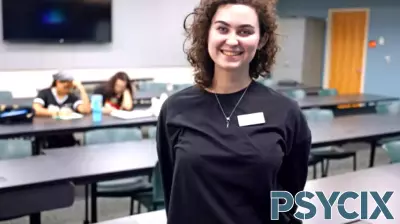
Geisinger Excited About Teaching at SCCKate Geisinger has joined Southeastern Community College as a full-time psychology instructor, bringing with her a strong commitment to student learning and intellectual growth. Geisinger says her...

October 7, 2026 - 03:39
Associate professor of psychology brings evidence-based mental wellness support directly to college studentsKaileigh Byrne, Wallace R. Roy Distinguished Associate Professor of psychology in the College of Behavioral, Social and Health Sciences, has spent years studying how people make decisions under...

October 6, 2026 - 01:22
Inside the Mind: How SailGP Teams Handle Pressure and Build Winning CulturesThe human side of elite sailing takes center stage in the newest chapter of SailGP`s documentary series Racing on the Edge, created alongside Rolex. This installment shifts focus away from boat...