The Psychology Behind Why People Enjoy Being Scared
October 17, 2026 - 06:31
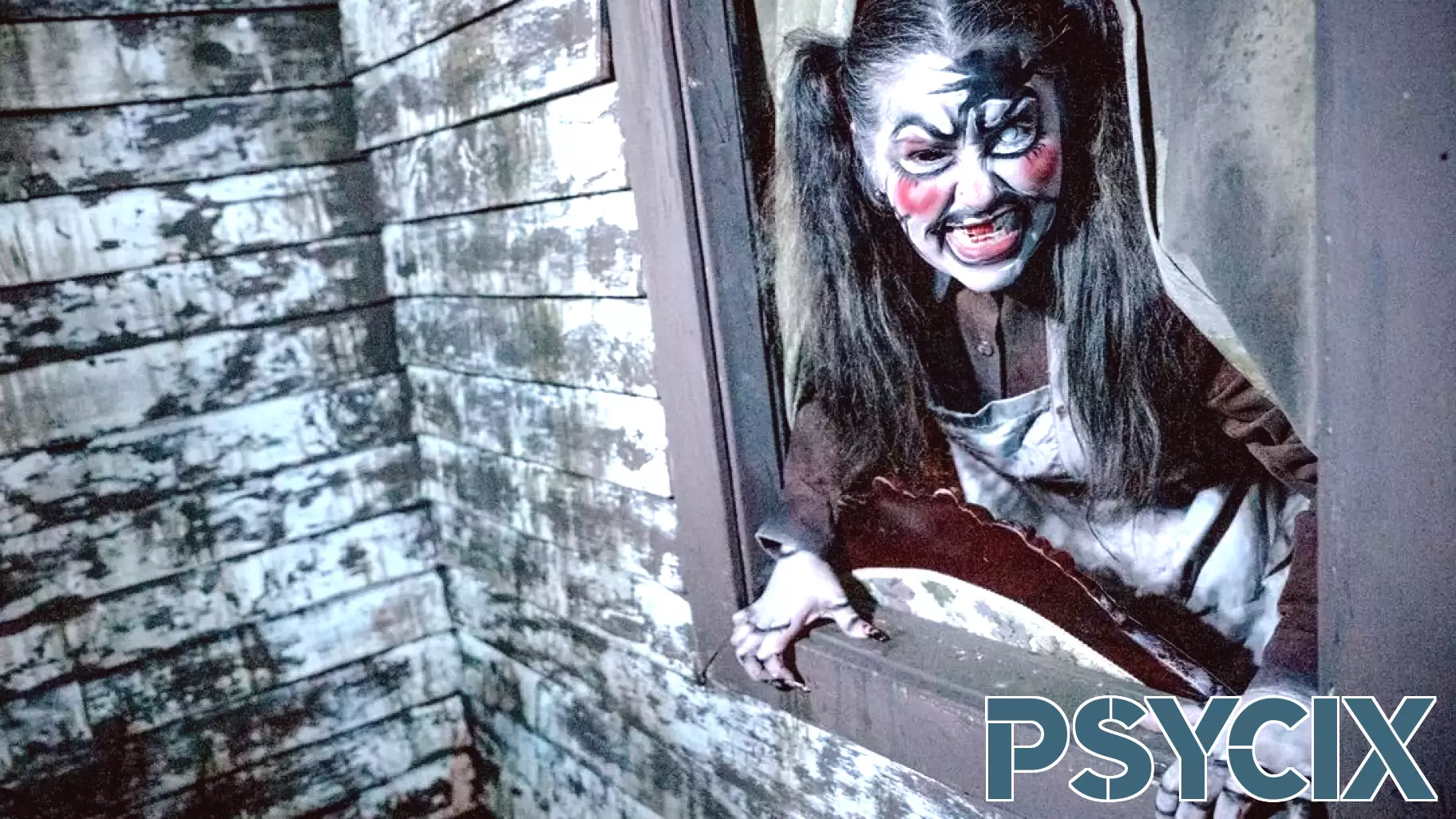
There are two kinds of people in October: those who count down the days until they can visit a haunted house, and those who would rather spend the evening anywhere else. For the first group, the appeal of fear is real, and psychologists have spent years trying to understand it.
The answer starts with biology. When someone encounters a threat, real or staged, the body releases adrenaline and cortisol. The heart races, breathing quickens, and attention narrows. In a genuinely dangerous situation, this response is unpleasant. But in a controlled setting, like a haunted house or a horror movie, the brain knows the danger is not real. That safety net allows people to experience the physical rush without the actual risk.
Researchers also point to the social side of fear. Screaming together at a scary movie or clutching a friend's arm in a dark hallway creates a shared experience that can strengthen bonds. Laughter often follows the fright, and that release of tension feels good.
Personality plays a role too. People who seek out scary entertainment tend to score higher on sensation seeking, a trait linked to enjoying novel and intense experiences. They also tend to be better at regulating their own emotions, which helps them reframe fear as excitement.
Not everyone finds this enjoyable, and that is normal. For some, the line between thrill and distress is too thin to cross.
MORE NEWS
October 16, 2026 - 17:10
How Psychological Stress Sets Off Arthritis Flares Through an Inflammatory PathwayPsychological stress has long been associated with worsening symptoms in rheumatoid arthritis (RA). However, the underlying mechanism connecting psychological stress to the occurrence of joint...
October 16, 2026 - 08:44
International experts analyze the psychology behind workplace gossip.Mental health has become a growing concern in professional settings, where job pressure and relationships between colleagues shape how employees feel about their work. Researchers are now taking a...

October 15, 2026 - 17:04
Struggles with Fathers Keep Young People Away from Mental Health CareYoung people who have difficult relationships with their fathers are less likely to reach out for mental health support, according to research that points to a troubling gap in care. The finding...
October 15, 2026 - 09:50
Psychology study finds children with more severe social anxiety often have parents who offer repeated reassurance or help them avoid stressful situationsParents often try to calm an anxious child by offering repeated reassurance, changing family routines or helping the child sidestep situations that cause distress. These responses can bring relief...