The Psychology Behind the Rise in Right-Wing Antisemitism
January 31, 2026 - 00:51
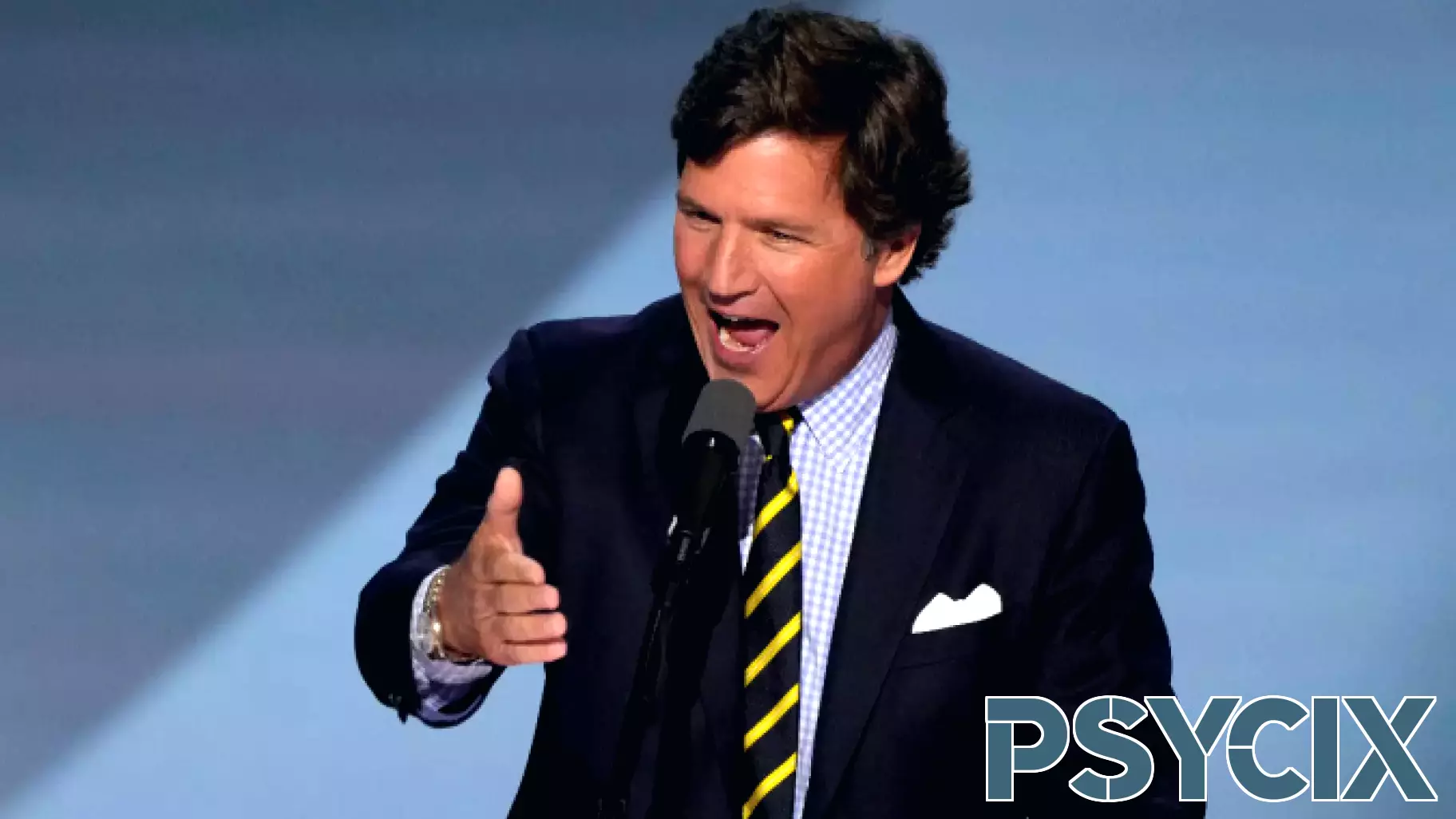
Over the past year, a concerning shift has become evident within certain political and online circles. A once-fringe antisemitic ideology, rooted in long-debunked racial theories and conspiracy myths, is gaining a disturbing new foothold. Experts point to a potent mix of psychological and social factors driving this resurgence.
A primary driver is the profound sense of social and economic displacement felt by some individuals. In an era of rapid globalization and cultural change, simplistic narratives that blame a single, powerful group for societal ills can be psychologically appealing. Antisemitic conspiracy theories provide a ready-made explanation for complex problems, offering a clear, if fictional, villain. This reduces cognitive dissonance and restores a sense of understanding in a chaotic world.
Furthermore, the digital ecosystem acts as a powerful accelerant. Online algorithms often create echo chambers, where extreme views are reinforced and normalized among like-minded users. This in-group bonding, built around a shared perceived enemy, fosters a powerful sense of belonging and identity. The anonymity of the internet lowers barriers to expressing hatred, while repetitive exposure to tropes desensitizes individuals and breaks down previous social taboos against such bigotry.
This modern iteration often frames itself as a defense of traditional identity against perceived threats, masking ancient prejudices in new political language. The result is a dangerous normalization of hatred that threatens social cohesion and the safety of Jewish communities, highlighting a pressing need for psychological and educational interventions.
MORE NEWS
September 13, 2026 - 19:51
Williams named interim director of Cameron Psychology ClinicDr. Joe Williams has been named interim clinical director of the Cameron Psychology Clinic. The appointment places him in charge of daily clinical operations while the facility searches for a...

September 13, 2026 - 04:58
The Psychology Behind Why Women Follow 10-Step Skincare RoutinesA 10-step skincare routine can serve different psychological purposes, from self-care and personal identity to habit, enjoyment and a sense of competence or control. For some people, it may also...

September 12, 2026 - 00:51
A Psychologist's Simple Approach to Mending a Struggling RelationshipA psychologist says staying curious about your partner and asking better questions can help long-term relationships feel connected again. The advice centers on a habit many couples lose over time:...

September 11, 2026 - 18:17
Why You Forget to Wish Happy Birthday Even When It Is on Your CalendarForgetting to wish someone does not necessarily mean that the relationship matters less to you. Research on prospective memory shows that people can fail to remember important intentions,...