The Psychological Impact of 'Love Island' on Contestants
August 25, 2025 - 23:44
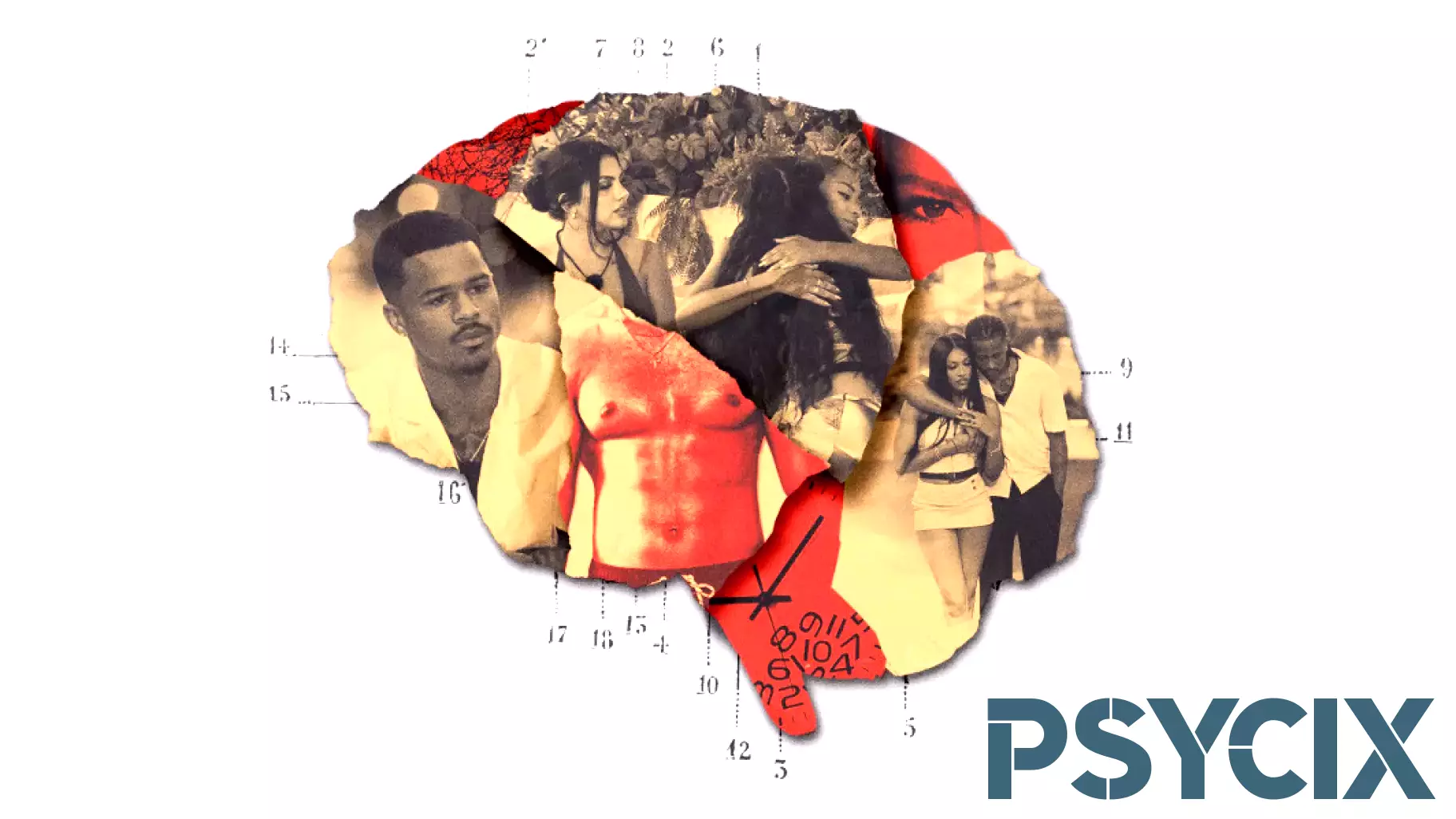
A psychologist has shed light on the intense psychological dynamics experienced by contestants on reality shows like 'Love Island.' The unique environment of the villa, characterized by isolation from the outside world, plays a significant role in shaping the contestants' experiences. With limited contact with family and friends, participants often find themselves in an emotionally charged atmosphere, leading to heightened feelings of vulnerability and pressure.
Additionally, the distortion of time within the villa can exacerbate these emotions. Days can feel like weeks, creating a sense of urgency in relationships and decision-making. Contestants are constantly under surveillance, which adds another layer of stress as their every move is recorded and scrutinized by viewers. This relentless observation can lead to anxiety and a distorted sense of reality.
As a result, the drama that unfolds during the show often continues long after the cameras stop rolling. The emotional toll of the experience can lead to unresolved conflicts and lingering psychological effects, making it clear that the impact of reality television extends far beyond the screen.
MORE NEWS
October 17, 2026 - 06:31
The Psychology Behind Why People Enjoy Being ScaredThere are two kinds of people in October: those who count down the days until they can visit a haunted house, and those who would rather spend the evening anywhere else. For the first group, the...

October 16, 2026 - 17:10
How Psychological Stress Sets Off Arthritis Flares Through an Inflammatory PathwayPsychological stress has long been associated with worsening symptoms in rheumatoid arthritis (RA). However, the underlying mechanism connecting psychological stress to the occurrence of joint...
October 16, 2026 - 08:44
International experts analyze the psychology behind workplace gossip.Mental health has become a growing concern in professional settings, where job pressure and relationships between colleagues shape how employees feel about their work. Researchers are now taking a...

October 15, 2026 - 17:04
Struggles with Fathers Keep Young People Away from Mental Health CareYoung people who have difficult relationships with their fathers are less likely to reach out for mental health support, according to research that points to a troubling gap in care. The finding...