The Psychological Drivers Behind Affordable Health Insurance
November 12, 2025 - 22:35
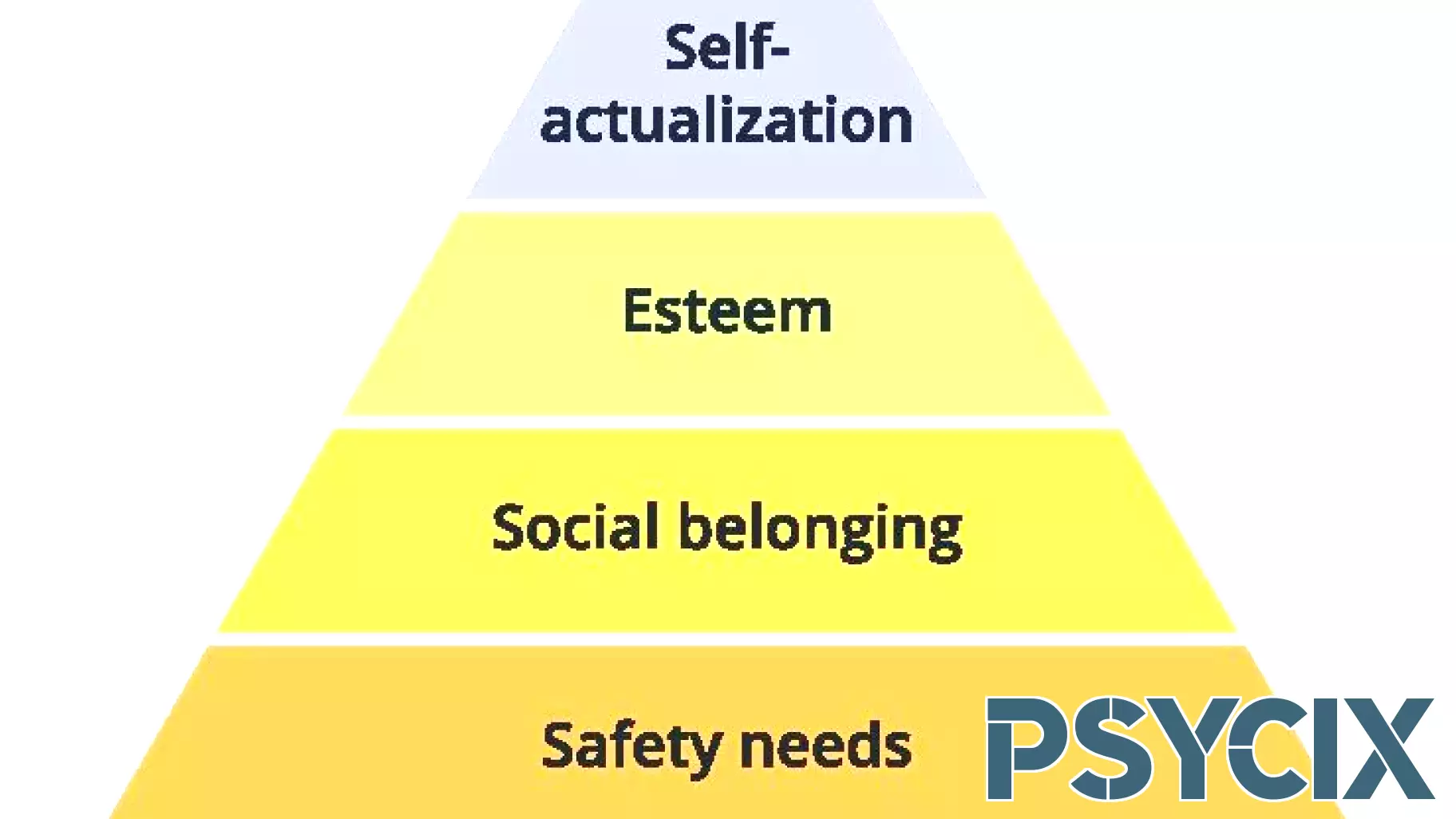
Affordable health insurance isn't just a political issue; it touches on one of the core psychological motivators of human behavior. Recent discussions have highlighted the increasing burden of healthcare costs on individuals and families, emphasizing the urgent need for accessible insurance options. As medical expenses continue to rise, many people find themselves grappling with anxiety and uncertainty about their financial futures.
The inability to afford health insurance can lead to significant stress, impacting mental health and overall well-being. This situation creates a sense of vulnerability, prompting individuals to prioritize their health needs while navigating complex insurance landscapes. The fear of unexpected medical bills can deter people from seeking necessary care, resulting in adverse health outcomes.
Moreover, the emotional toll of financial insecurity can exacerbate feelings of isolation and helplessness. Understanding the psychological implications of health insurance affordability is crucial for policymakers and advocates aiming to create a more equitable healthcare system. Addressing these issues not only improves access to care but also fosters a healthier society overall.
MORE NEWS

October 8, 2026 - 15:57
Imitation Is How Children Learn More Than Just WordsWhen a toddler suddenly starts echoing a parent`s words, facial expressions or gestures, it can look like simple mimicry. Developmental psychology research, however, shows that imitation is closely...

October 7, 2026 - 21:42
Geisinger Excited About Teaching at SCCKate Geisinger has joined Southeastern Community College as a full-time psychology instructor, bringing with her a strong commitment to student learning and intellectual growth. Geisinger says her...

October 7, 2026 - 03:39
Associate professor of psychology brings evidence-based mental wellness support directly to college studentsKaileigh Byrne, Wallace R. Roy Distinguished Associate Professor of psychology in the College of Behavioral, Social and Health Sciences, has spent years studying how people make decisions under...

October 6, 2026 - 01:22
Inside the Mind: How SailGP Teams Handle Pressure and Build Winning CulturesThe human side of elite sailing takes center stage in the newest chapter of SailGP`s documentary series Racing on the Edge, created alongside Rolex. This installment shifts focus away from boat...