The Mental Burden of Living with Asthma and Allergies
May 8, 2025 - 13:48
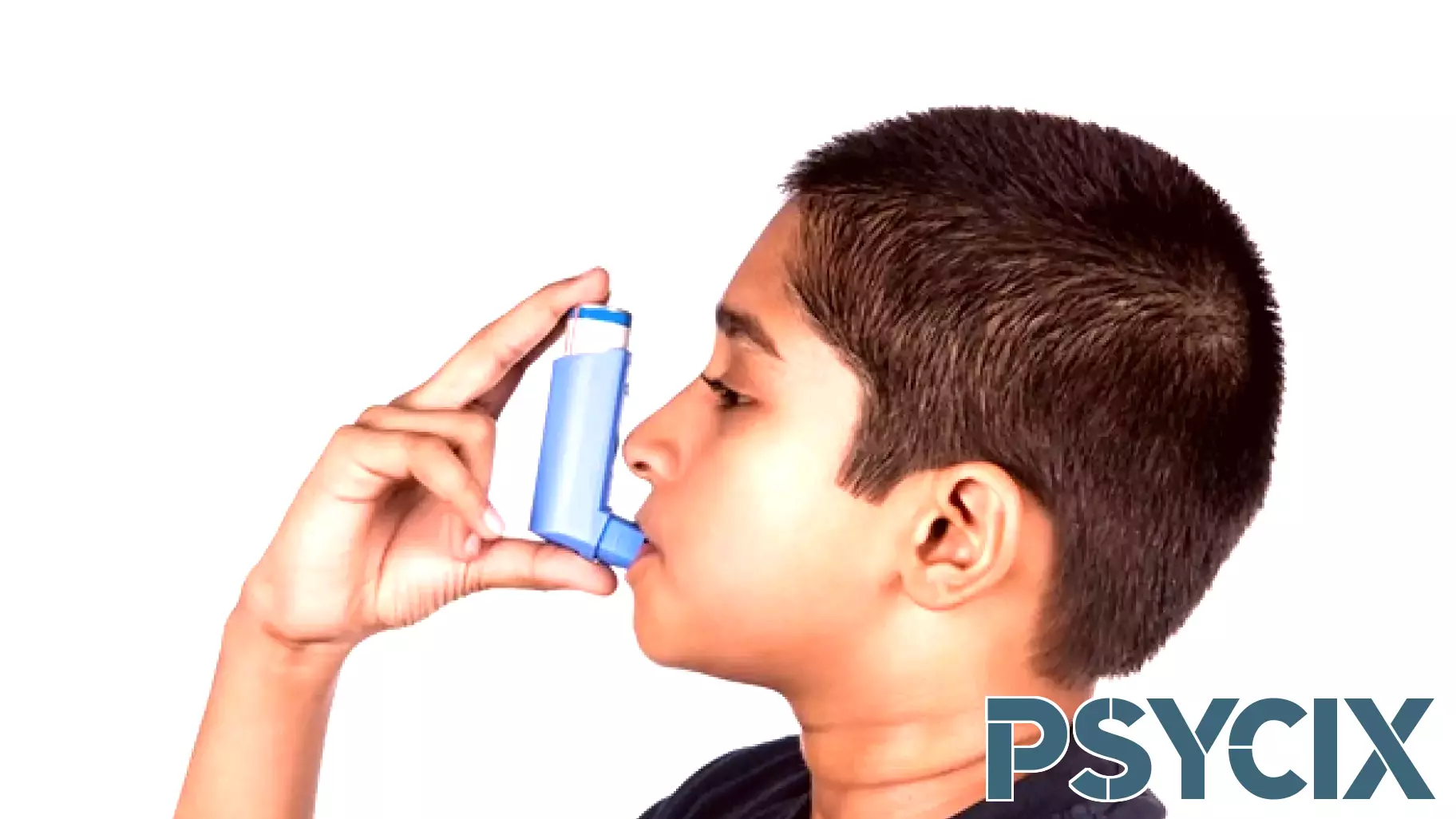
People who have struggled with asthma or allergies for years understand the psychological toll of these conditions. While the physical symptoms are often the focus, the emotional and mental impacts can be equally debilitating. Many individuals find themselves grappling with anxiety and stress, fearing an asthma attack or an allergic reaction. This constant worry can lead to a diminished quality of life, affecting daily activities and social interactions.
The unpredictability of asthma and allergies can also create feelings of isolation. Those affected may avoid certain environments or activities, leading to a sense of withdrawal from friends and family. Additionally, the stigma surrounding these conditions can exacerbate feelings of inadequacy or frustration.
Mental health professionals emphasize the importance of addressing these psychological aspects alongside physical treatment. Support groups and therapy can provide valuable resources for coping strategies, helping individuals reclaim a sense of control over their lives. Acknowledging the mental health implications of asthma and allergies is essential for comprehensive care and improved well-being.
MORE NEWS

October 9, 2026 - 01:11
Psychology Professors Raise Concerns About AI Dependence in StudentsPsychology professors are expressing growing concern that students` increasing reliance on artificial intelligence tools may be weakening essential cognitive and academic skills. In a recent...

October 8, 2026 - 15:57
Imitation Is How Children Learn More Than Just WordsWhen a toddler suddenly starts echoing a parent`s words, facial expressions or gestures, it can look like simple mimicry. Developmental psychology research, however, shows that imitation is closely...

October 7, 2026 - 21:42
Geisinger Excited About Teaching at SCCKate Geisinger has joined Southeastern Community College as a full-time psychology instructor, bringing with her a strong commitment to student learning and intellectual growth. Geisinger says her...

October 7, 2026 - 03:39
Associate professor of psychology brings evidence-based mental wellness support directly to college studentsKaileigh Byrne, Wallace R. Roy Distinguished Associate Professor of psychology in the College of Behavioral, Social and Health Sciences, has spent years studying how people make decisions under...