The Impact of Visual Perception on Our Sense of Incline
September 4, 2025 - 02:26
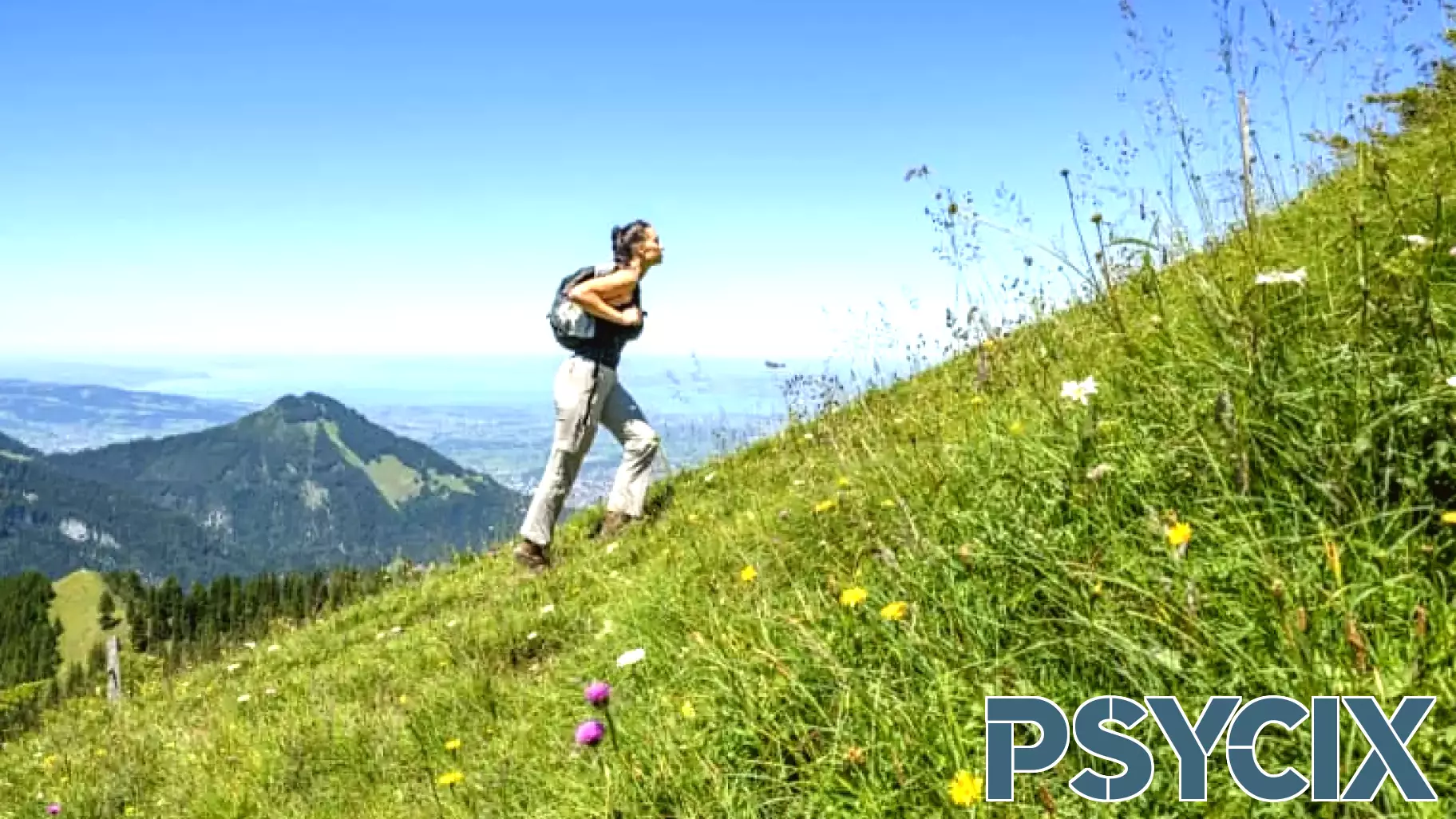
People often overlook the influence of their eyes on their perception of the environment, but recent research highlights the significant role this plays in how we interpret our surroundings. A study conducted by researchers in Ohio demonstrates that even slight adjustments in the angle of one's gaze can dramatically affect the perception of a hill's steepness.
Participants in the study were asked to evaluate the steepness of various inclines while their gaze was manipulated. The findings revealed that when individuals looked at a hill from a higher angle, they perceived it as steeper compared to when they viewed it from a lower angle. This phenomenon underscores the complex relationship between visual perception and physical reality.
Such insights not only enhance our understanding of human perception but also have practical implications in various fields, including sports, architecture, and safety. Recognizing how our eyes can distort our judgment of slopes may lead to better design practices and improved safety measures in environments where incline perception is crucial.
MORE NEWS

October 18, 2026 - 06:35
Psychologist Weighs In on Trump's Health RemarksPresident Donald Trump made a rather alarming admission about suffering from some `very severe problems` with his health, and now a psychologist has weighed in with evidence for what some of those...

October 17, 2026 - 17:32
Debunking Common Psychology MythsSpoiler alert: opposites do not attract. That popular belief is just one of many psychology `facts` that turn out to be myths. A closer look at the research reveals several ideas people repeat...

October 17, 2026 - 06:31
The Psychology Behind Why People Enjoy Being ScaredThere are two kinds of people in October: those who count down the days until they can visit a haunted house, and those who would rather spend the evening anywhere else. For the first group, the...

October 16, 2026 - 17:10
How Psychological Stress Sets Off Arthritis Flares Through an Inflammatory PathwayPsychological stress has long been associated with worsening symptoms in rheumatoid arthritis (RA). However, the underlying mechanism connecting psychological stress to the occurrence of joint...