The Impact of Childhood Development on Political Ideologies
March 6, 2025 - 16:01

The connection between childhood experiences and adult political beliefs is a fascinating area of study. Developmental psychologists have uncovered that various aspects of a child's upbringing can significantly influence their ideological preferences decades later. This revelation has captured the attention of many, as it suggests that the seeds of our political identities are planted during our formative years.
Research indicates that factors such as parenting styles, early social interactions, and exposure to diverse viewpoints can shape a child's understanding of authority, community, and social justice. For instance, children who grow up in environments that encourage open dialogue and critical thinking are more likely to develop progressive attitudes as adults. Conversely, those raised in more authoritarian settings may lean towards conservative ideologies.
This intriguing link highlights the importance of nurturing environments in childhood, as they can foster a more engaged and informed citizenry in the future. Understanding these dynamics can lead to better educational and parenting strategies aimed at cultivating open-mindedness and civic responsibility in young individuals.
MORE NEWS

October 8, 2026 - 15:57
Imitation Is How Children Learn More Than Just WordsWhen a toddler suddenly starts echoing a parent`s words, facial expressions or gestures, it can look like simple mimicry. Developmental psychology research, however, shows that imitation is closely...
October 7, 2026 - 21:42
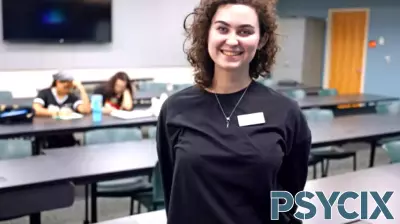
Geisinger Excited About Teaching at SCCKate Geisinger has joined Southeastern Community College as a full-time psychology instructor, bringing with her a strong commitment to student learning and intellectual growth. Geisinger says her...

October 7, 2026 - 03:39
Associate professor of psychology brings evidence-based mental wellness support directly to college studentsKaileigh Byrne, Wallace R. Roy Distinguished Associate Professor of psychology in the College of Behavioral, Social and Health Sciences, has spent years studying how people make decisions under...

October 6, 2026 - 01:22
Inside the Mind: How SailGP Teams Handle Pressure and Build Winning CulturesThe human side of elite sailing takes center stage in the newest chapter of SailGP`s documentary series Racing on the Edge, created alongside Rolex. This installment shifts focus away from boat...