The Impact of Chatbots on Cognitive Health: A Growing Concern
April 12, 2025 - 23:52
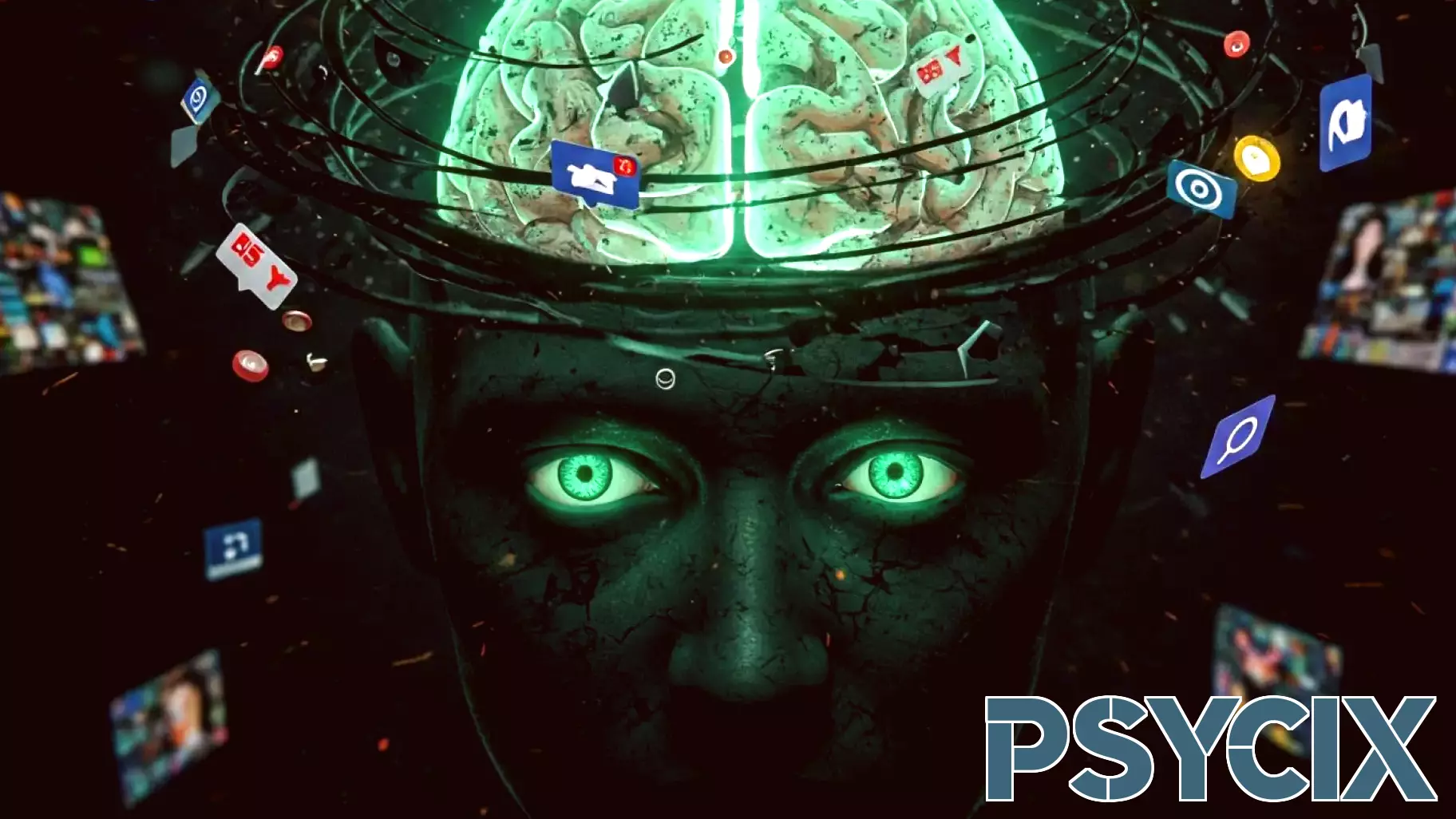
In today's digital landscape, the phenomenon often referred to as "brain rot" raises serious questions about our reliance on technology, particularly chatbots. While the term suggests a decline in cognitive function due to excessive screen time and digital interactions, it does not have to be an unavoidable consequence of our tech-driven lives.
As we integrate chatbots into our daily routines, it is crucial to engage with these tools mindfully. By setting boundaries and being intentional about our online interactions, we can mitigate potential negative effects on our mental acuity. This involves balancing the convenience of chatbots with activities that promote critical thinking and creativity.
Moreover, fostering a healthy relationship with technology can lead to a more enriching online experience. Emphasizing quality over quantity in our digital engagements can help preserve our cognitive health while still reaping the benefits of technological advancements. As we navigate this evolving landscape, awareness and intention will be key in preventing brain rot and enhancing our overall well-being.
MORE NEWS

October 9, 2026 - 01:11
Psychology Professors Raise Concerns About AI Dependence in StudentsPsychology professors are expressing growing concern that students` increasing reliance on artificial intelligence tools may be weakening essential cognitive and academic skills. In a recent...

October 8, 2026 - 15:57
Imitation Is How Children Learn More Than Just WordsWhen a toddler suddenly starts echoing a parent`s words, facial expressions or gestures, it can look like simple mimicry. Developmental psychology research, however, shows that imitation is closely...

October 7, 2026 - 21:42
Geisinger Excited About Teaching at SCCKate Geisinger has joined Southeastern Community College as a full-time psychology instructor, bringing with her a strong commitment to student learning and intellectual growth. Geisinger says her...

October 7, 2026 - 03:39
Associate professor of psychology brings evidence-based mental wellness support directly to college studentsKaileigh Byrne, Wallace R. Roy Distinguished Associate Professor of psychology in the College of Behavioral, Social and Health Sciences, has spent years studying how people make decisions under...