The 'Hibernation Instinct' Is Real — This Is the Psychology Behind the Desire to Hunker Down When the Weather Starts to Shift
September 17, 2026 - 15:41

The urge to retreat indoors when temperatures drop is not laziness. It is biology. Researchers describe a hibernation instinct that lingers in humans, a leftover from ancestors who conserved energy during harsh months. Modern life rarely demands true hibernation, but the impulse remains. Shorter days reduce sunlight exposure, which disrupts melatonin and serotonin levels. The result is a quiet pull toward warm rooms, soft blankets, and early nights.
Psychologists note that this shift is not purely physical. Colder weather triggers a desire for safety and comfort. People seek smaller spaces, dimmer light, and familiar routines. Some call it nesting. Others call it seasonal withdrawal. Either way, the behavior serves a purpose. It helps the mind recover from the overstimulation of summer and the demands of constant social contact.
Design choices can support this natural rhythm without turning it into isolation. Warm colors like amber, rust, and deep green calm the nervous system. Layered lighting, from floor lamps to candles, mimics the fading daylight and eases the transition to evening. Heavy curtains and textured throws create a sense of enclosure that feels protective rather than confining.
The key is balance. Hunkering down can restore energy, but complete withdrawal can deepen low moods. A comfortable home should invite rest while still allowing connection. Small adjustments, like a reading chair near a window or a table for shared meals, keep the hibernation instinct from becoming a trap.
MORE NEWS

September 16, 2026 - 19:19
Psychology explains why parents keep old toys for years even when they are broken, unused or no longer neeParents often keep old toys long after children have outgrown them. The items may be broken, missing pieces, or stored in boxes for years. Psychology offers a clear explanation for this behavior....

September 16, 2026 - 15:52
The Trust Gap: Why AI Disclosure Creates a Psychological ParadoxPeople tend to have a negative bias toward AI interactions. When told a machine is involved, they often trust the output less, even if the information is identical to what a human would provide....
September 15, 2026 - 18:20
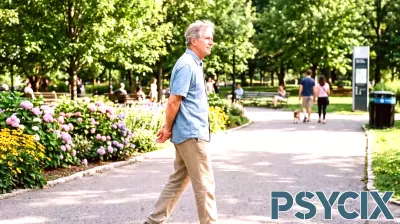
Why Walking With Hands Behind Your Back Signals Calm and ControlWalking with your hands clasped behind your back is not just a random habit. According to body language research, it reflects a specific mental state tied to authority, confidence, and self-control...

September 15, 2026 - 00:54
Understanding Ambivalence: A Marin Resident's Insight`Few important things in life turn out to be simple either-or decisions,` writes David Reinstein, a retired psychotherapist living in San Anselmo. In his recent exploration of ambivalence,...