The Healing Power of Community: A New Approach to Health
July 5, 2025 - 18:17

What if the best medicine isn’t a pill, but people? Recent discussions in health and wellness circles emphasize the transformative power of community, connection, and shared purpose in enhancing overall well-being. Studies are increasingly showing that social interactions and support systems can significantly impact mental and physical health outcomes.
Communities that foster strong relationships and provide a sense of belonging can help individuals cope with stress, reduce feelings of isolation, and promote healthier lifestyles. Activities such as group exercise, communal meals, and local support groups not only encourage participation but also create a network of care that can lead to improved health metrics.
Furthermore, as healthcare systems evolve, there is a growing recognition of the importance of social determinants of health. Policies that prioritize community engagement and support can lead to more holistic approaches to wellness. By investing in community bonds, we may be paving the way for a healthier future, proving that sometimes, the best medicine truly lies in human connection.
MORE NEWS

October 9, 2026 - 01:11
Psychology Professors Raise Concerns About AI Dependence in StudentsPsychology professors are expressing growing concern that students` increasing reliance on artificial intelligence tools may be weakening essential cognitive and academic skills. In a recent...

October 8, 2026 - 15:57
Imitation Is How Children Learn More Than Just WordsWhen a toddler suddenly starts echoing a parent`s words, facial expressions or gestures, it can look like simple mimicry. Developmental psychology research, however, shows that imitation is closely...
October 7, 2026 - 21:42
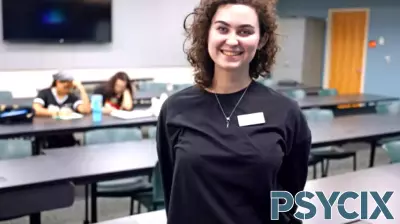
Geisinger Excited About Teaching at SCCKate Geisinger has joined Southeastern Community College as a full-time psychology instructor, bringing with her a strong commitment to student learning and intellectual growth. Geisinger says her...

October 7, 2026 - 03:39
Associate professor of psychology brings evidence-based mental wellness support directly to college studentsKaileigh Byrne, Wallace R. Roy Distinguished Associate Professor of psychology in the College of Behavioral, Social and Health Sciences, has spent years studying how people make decisions under...