The Epstein Files’ Terrible Writing Is a Lesson in the Psychology of Power
March 20, 2026 - 22:39
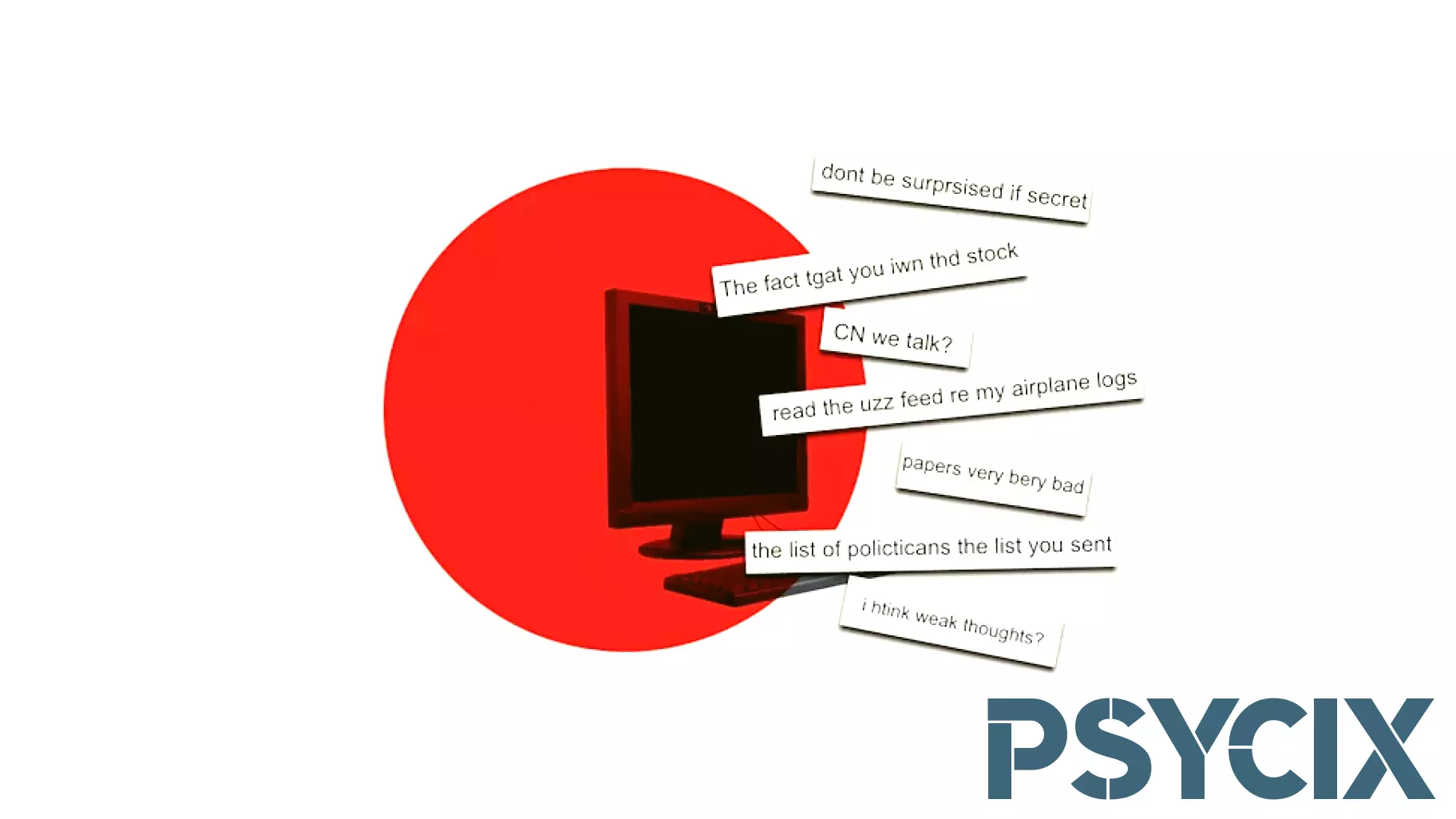
The recently unsealed court records from the Jeffrey Epstein case reveal more than just a network of powerful associates. They expose a startling pattern of communication: emails and memos riddled with glaring grammatical errors, childish phrasing, and a jarring lack of sophistication. This from some of the world's most educated and influential individuals.
Psychologists suggest this isn't mere carelessness, but a window into the psychology of absolute power. When individuals operate within a sealed system of immense privilege and perceived impunity, the normal rules—both social and grammatical—begin to dissolve. The need to communicate clearly with the outside world diminishes. A private, almost coded, language emerges, reflecting a bubble where status is assumed and formalities are for outsiders.
This breakdown in written communication serves as a stark warning. It illustrates how insulated power structures can corrode even basic competencies, fostering a environment where sloppiness extends from sentence structure to moral judgment. The documents stand as a testament to a culture that believed itself untouchable, operating by its own degraded rules. The lesson is clear: when power becomes absolute, the first thing it often abandons is clarity, both in language and in conscience.
MORE NEWS

September 17, 2026 - 15:41
The 'Hibernation Instinct' Is Real — This Is the Psychology Behind the Desire to Hunker Down When the Weather Starts to ShiftThe urge to retreat indoors when temperatures drop is not laziness. It is biology. Researchers describe a hibernation instinct that lingers in humans, a leftover from ancestors who conserved energy...

September 16, 2026 - 19:19
Psychology explains why parents keep old toys for years even when they are broken, unused or no longer neeParents often keep old toys long after children have outgrown them. The items may be broken, missing pieces, or stored in boxes for years. Psychology offers a clear explanation for this behavior....

September 16, 2026 - 15:52
The Trust Gap: Why AI Disclosure Creates a Psychological ParadoxPeople tend to have a negative bias toward AI interactions. When told a machine is involved, they often trust the output less, even if the information is identical to what a human would provide....

September 15, 2026 - 18:20
Why Walking With Hands Behind Your Back Signals Calm and ControlWalking with your hands clasped behind your back is not just a random habit. According to body language research, it reflects a specific mental state tied to authority, confidence, and self-control...