The Cost of Growing Up with Unpredictable Affection
August 21, 2026 - 00:16
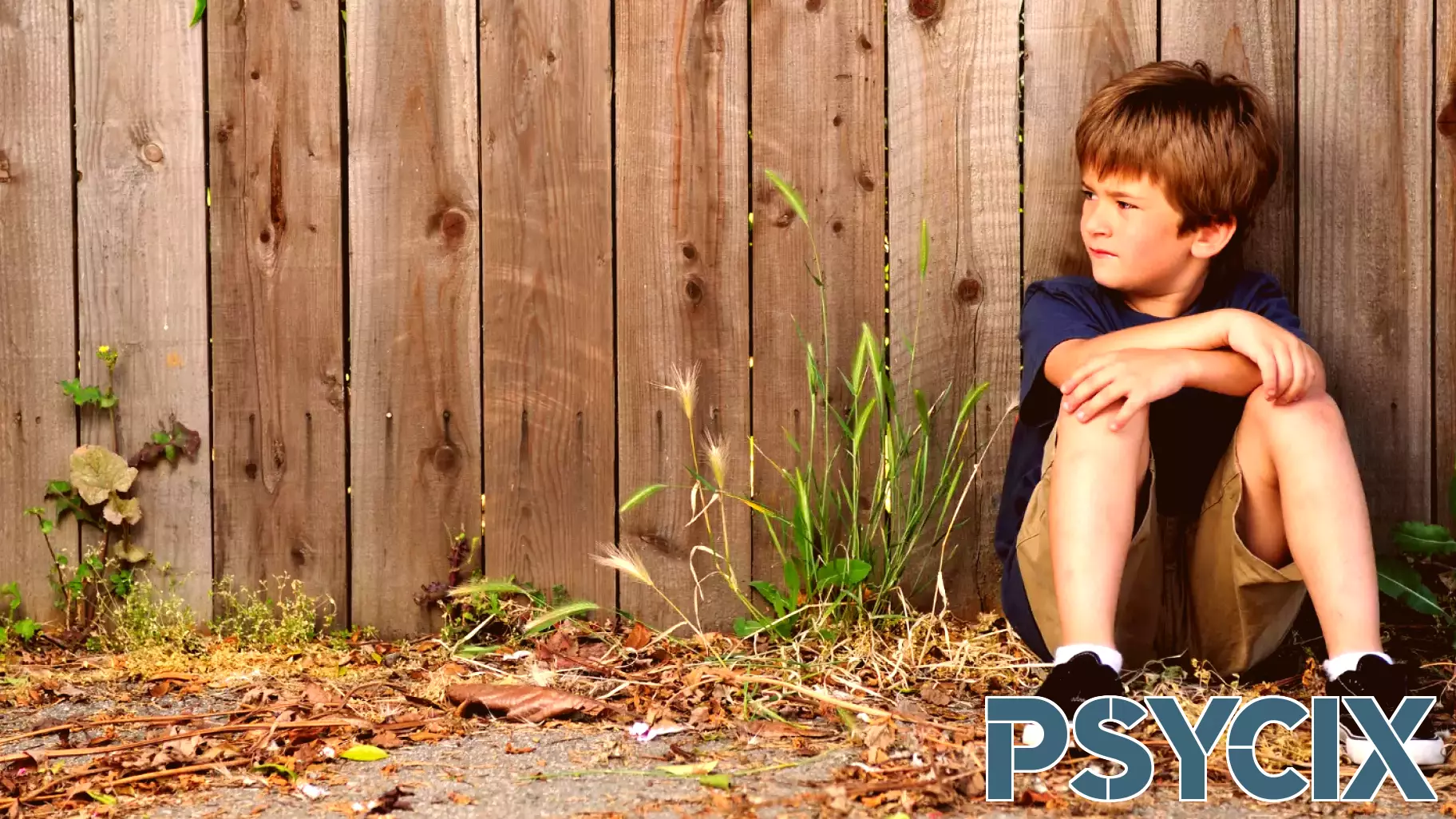
Psychologists have long observed that children who grow up in homes where love and warmth are inconsistent often carry a heavy, invisible burden into adulthood. It is not simply a matter of feeling insecure. Rather, it manifests as a specific, exhausting pattern of behavior known as hypervigilance to rejection. This is not a conscious choice but a survival mechanism that outlives its usefulness.
When a child cannot predict whether a parent will be nurturing or distant, their brain learns to stay on high alert. That vigilance, which once served to protect them from emotional whiplash, becomes the default lens through which they view all future relationships. As an adult, this translates into a constant, exhausting scan of every interaction. A delayed text message, a slightly shorter phone call, or a missed social cue is no longer just a minor event. It is immediately processed as the first sign that the warmth is about to go cold.
This internal radar is relentless. It reads neutral behavior as a threat, and silence as a precursor to abandonment. The person may not even realize they are doing it; they simply feel a wave of anxiety and begin to brace for impact. They might start to pull away first, or they might cling tighter, all in an attempt to control the inevitable moment they believe is coming. The tragedy is that this hypervigilance often creates the very outcome it fears. By constantly testing the relationship for signs of withdrawal, they can exhaust their partner, creating distance where none existed before.
The key to breaking this cycle is not about ignoring the feelings, but about recognizing the source. It is about learning to separate the past from the present, and to understand that the person in front of you is not the same as the one who was unpredictable long ago. It is a slow process of teaching the nervous system that safety is possible, and that not every pause in a conversation is a prelude to loss. The goal is not to stop caring, but to stop letting fear do the listening.
MORE NEWS

October 4, 2026 - 17:27
Our Stone Age Minds Are Still EvolvingRecent genetic evidence suggests that our Stone Age brains have evolved since the Neolithic began, and that they are evolving now. For a long time, many researchers assumed that human cognition...

October 4, 2026 - 06:25
Why People Who Stop Seeking Approval Keep Quiet About These Personal ThingsPeople who have stopped chasing approval tend to share less about themselves, and the change is not about secrecy. It is about where the validation comes from. For them, the proof is in the...

October 3, 2026 - 18:25
The Psychology of Desire: Why a Cheap Pen Can Feel Like a Luxury ItemA basic Bic pen costs less than a quarter. A Hermes handbag can cost more than a car. On the surface, these two objects share nothing. Yet both can trigger the same psychological response in a...

October 3, 2026 - 14:38
Understanding How Video Games Shape Human BehaviorUMSL alum Nick Bowman returned to campus to explain how video games function as complex communication systems demanding cognitive, emotional and social engagement. His presentation focused on the...