The Controversial Insights of the Milgram Shock Experiment
January 23, 2025 - 22:50
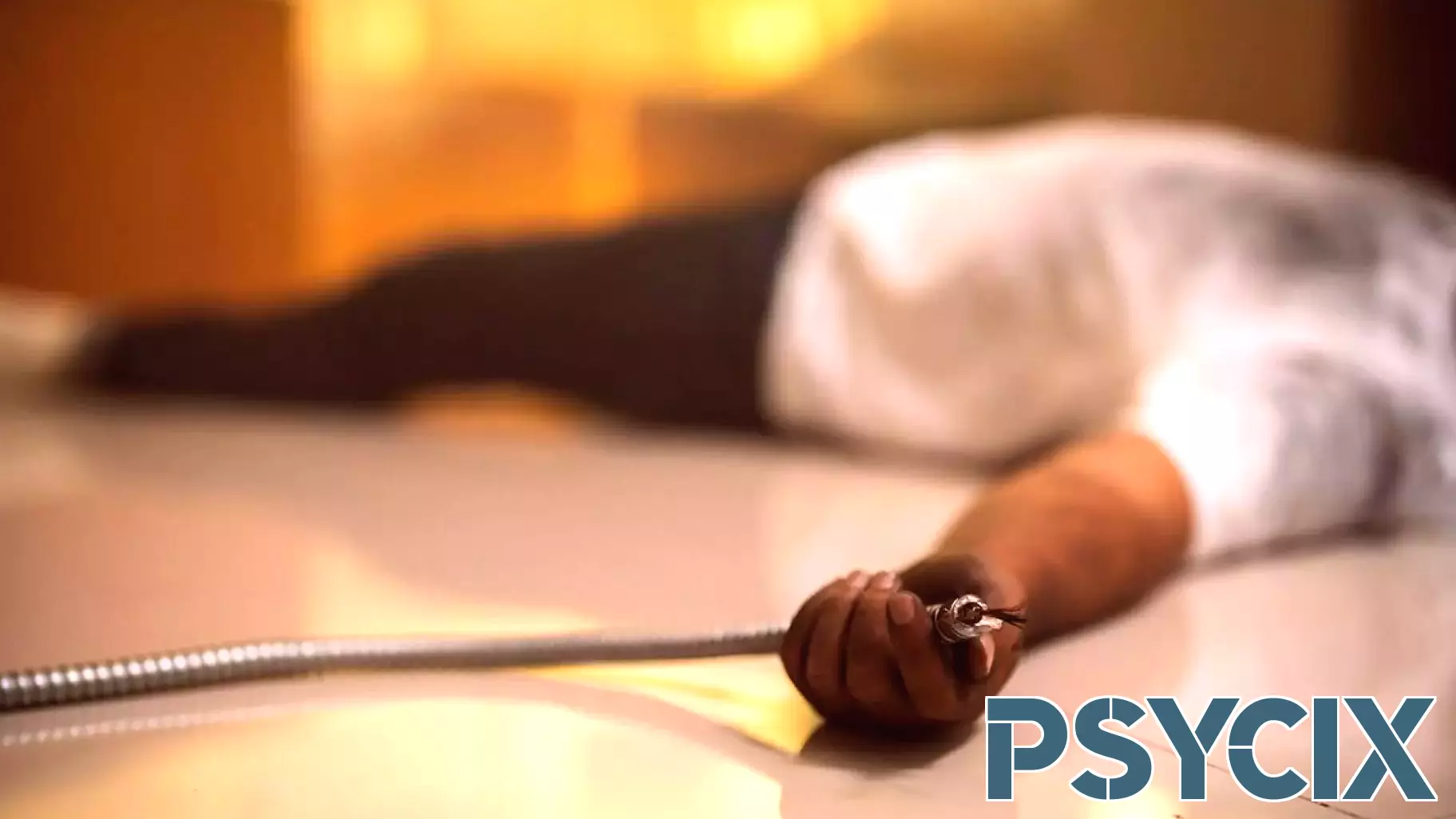
Stanley Milgram's experiment was a controversial test of human psychology that shed light on the limitations of free will and obedience to authority. Conducted in the early 1960s, the study aimed to understand how ordinary people could commit acts of cruelty when instructed by an authority figure. Participants were led to believe they were administering electric shocks to another individual as part of a learning experiment.
What Milgram discovered was both surprising and unsettling: a significant majority of participants were willing to administer what they thought were painful shocks, despite hearing simulated cries of distress from the victim. This finding raised profound ethical questions and sparked debates about the morality of psychological testing.
Milgram's work has since become a cornerstone in social psychology, prompting discussions about moral responsibility, the influence of authority, and the capacity for individuals to act against their personal morals under pressure. The experiment remains a critical reference point for understanding human behavior in social contexts.
MORE NEWS

October 14, 2026 - 21:19
Year-Round Daylight Saving Time Would Mean Darker Winter Mornings, Professor WarnsA psychology professor is raising concerns about the push to make Daylight Saving Time permanent, warning that the change would force residents to endure extended periods of darkness during the...

October 14, 2026 - 16:09
When AI becomes a tool for psychological manipulation: A new challenge for digital security.Artificial intelligence is reshaping how criminals target and control their victims. What once required a skilled con artist can now be automated, scaled, and disguised as a friendly voice or a...

October 13, 2026 - 23:44
Gold Award Girl Scout Organizes Psychology Expo for High School StudentsA local scout has achieved the highest recognition available in her organization by creating a resource for students navigating mental health challenges. Hayley Elisa Castro from Long Valley was...
October 13, 2026 - 08:32
Genetic scores linked to depression and neuroticism are associated with lower voter turnoutA new study suggests that your DNA might have a say in whether you show up at the polls. Researchers analyzing data from more than 50,000 individuals have found that genetic predispositions linked...