The Allure of Conspiracy Theories: Insights from a Psychologist
July 16, 2025 - 14:48
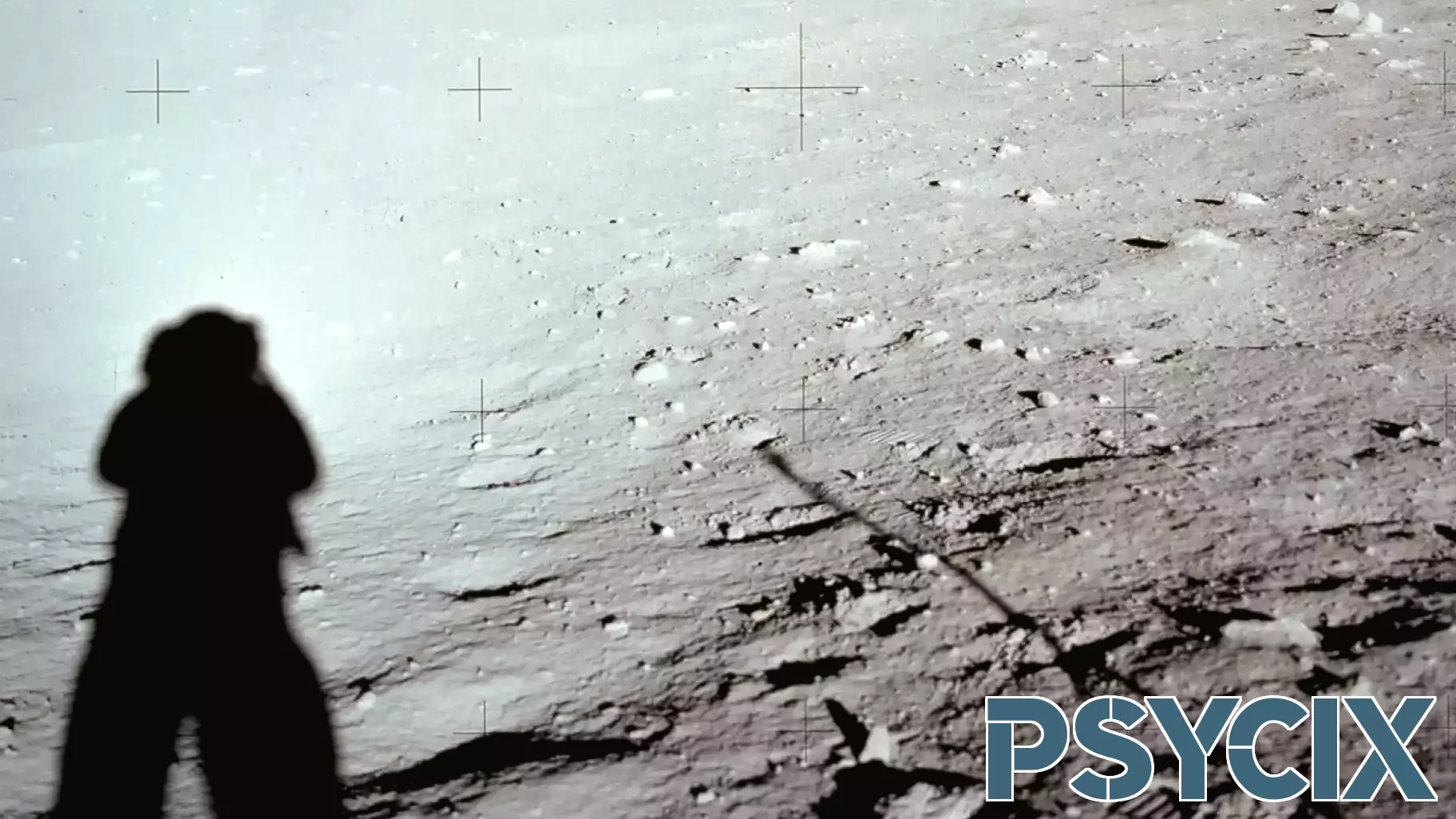
In a world increasingly marked by skepticism and division, the fascination with conspiracy theories continues to grow. Laurie Kramer, a psychology professor at Northeastern University, sheds light on why these theories captivate so many individuals. According to Kramer, a significant factor is the prevailing lack of trust and acceptance in society.
As people grapple with complex and often unsettling realities, conspiracy theories can provide a sense of clarity and control. They offer narratives that simplify intricate situations, allowing individuals to feel they have a better understanding of the world around them. This is particularly relevant in times of uncertainty, where established institutions may seem untrustworthy.
Kramer emphasizes that the desire for belonging and shared beliefs also fuels the popularity of these theories. When individuals feel alienated or marginalized, they may turn to conspiracies as a means of finding community and validation. Understanding the psychological underpinnings of this phenomenon is crucial in addressing the broader implications of conspiracy thinking in today's society.
MORE NEWS

October 18, 2026 - 06:35
Psychologist Weighs In on Trump's Health RemarksPresident Donald Trump made a rather alarming admission about suffering from some `very severe problems` with his health, and now a psychologist has weighed in with evidence for what some of those...

October 17, 2026 - 17:32
Debunking Common Psychology MythsSpoiler alert: opposites do not attract. That popular belief is just one of many psychology `facts` that turn out to be myths. A closer look at the research reveals several ideas people repeat...

October 17, 2026 - 06:31
The Psychology Behind Why People Enjoy Being ScaredThere are two kinds of people in October: those who count down the days until they can visit a haunted house, and those who would rather spend the evening anywhere else. For the first group, the...

October 16, 2026 - 17:10
How Psychological Stress Sets Off Arthritis Flares Through an Inflammatory PathwayPsychological stress has long been associated with worsening symptoms in rheumatoid arthritis (RA). However, the underlying mechanism connecting psychological stress to the occurrence of joint...