Some Brains Switch Gears Better Than Others: Inside the Science of Fast and Slow Thinking
January 6, 2026 - 10:08

Recent research has shed light on the fascinating differences in cognitive processing among individuals, particularly in how quickly and efficiently they can switch between tasks. This phenomenon, often referred to as "cognitive flexibility," plays a crucial role in our daily lives, influencing everything from problem-solving abilities to decision-making skills.
Scientists have identified that some brains are naturally wired to transition seamlessly between various modes of thinking, allowing for swift adjustments in focus and strategy. This ability is linked to the brain's structural and functional characteristics, including the connectivity of neural pathways. In contrast, individuals with less cognitive flexibility may struggle to shift gears, leading to slower responses and increased difficulty in adapting to new information.
Understanding these differences not only enhances our knowledge of human cognition but also has significant implications for education, workplace productivity, and mental health. By recognizing the diverse ways in which our brains operate, we can better tailor learning environments and support systems to maximize individual potential.
MORE NEWS

October 8, 2026 - 15:57
Imitation Is How Children Learn More Than Just WordsWhen a toddler suddenly starts echoing a parent`s words, facial expressions or gestures, it can look like simple mimicry. Developmental psychology research, however, shows that imitation is closely...
October 7, 2026 - 21:42
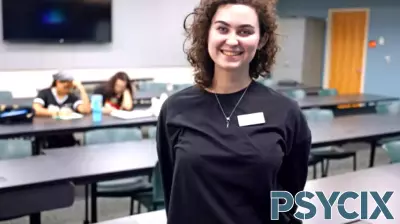
Geisinger Excited About Teaching at SCCKate Geisinger has joined Southeastern Community College as a full-time psychology instructor, bringing with her a strong commitment to student learning and intellectual growth. Geisinger says her...

October 7, 2026 - 03:39
Associate professor of psychology brings evidence-based mental wellness support directly to college studentsKaileigh Byrne, Wallace R. Roy Distinguished Associate Professor of psychology in the College of Behavioral, Social and Health Sciences, has spent years studying how people make decisions under...

October 6, 2026 - 01:22
Inside the Mind: How SailGP Teams Handle Pressure and Build Winning CulturesThe human side of elite sailing takes center stage in the newest chapter of SailGP`s documentary series Racing on the Edge, created alongside Rolex. This installment shifts focus away from boat...