Shaping the Future of Naval Aviation: The Role of Navy Psychologists
December 30, 2025 - 08:50

Inside the Naval Aerospace Medical Institute (NAMI), the Department of Operational Psychology is making significant strides in the realm of Naval Aviation. The Navy's Aerospace Experimental Psychology community is diligently refining the selection process for pilots and flight officers, aiming to enhance performance and reduce attrition rates.
Utilizing advanced methodologies and psychological assessments, the team is focused on identifying the traits and skills that predict success in high-pressure aviation environments. By honing in on the psychological profiles of candidates, they are able to select individuals who not only possess the necessary technical skills but also the resilience and adaptability required for the demanding nature of naval operations.
This innovative approach is not just about selecting the right candidates; it's also about ensuring that aviators are equipped to handle the complexities of modern warfare and aviation technology. As they continue to develop and implement these strategies, the future of Naval Aviation looks promising, with a new generation of pilots prepared to meet the challenges ahead.
MORE NEWS

October 8, 2026 - 15:57
Imitation Is How Children Learn More Than Just WordsWhen a toddler suddenly starts echoing a parent`s words, facial expressions or gestures, it can look like simple mimicry. Developmental psychology research, however, shows that imitation is closely...
October 7, 2026 - 21:42
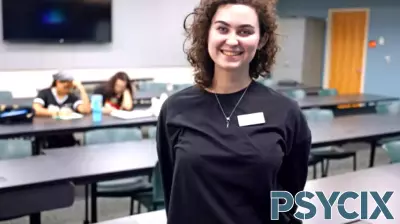
Geisinger Excited About Teaching at SCCKate Geisinger has joined Southeastern Community College as a full-time psychology instructor, bringing with her a strong commitment to student learning and intellectual growth. Geisinger says her...

October 7, 2026 - 03:39
Associate professor of psychology brings evidence-based mental wellness support directly to college studentsKaileigh Byrne, Wallace R. Roy Distinguished Associate Professor of psychology in the College of Behavioral, Social and Health Sciences, has spent years studying how people make decisions under...

October 6, 2026 - 01:22
Inside the Mind: How SailGP Teams Handle Pressure and Build Winning CulturesThe human side of elite sailing takes center stage in the newest chapter of SailGP`s documentary series Racing on the Edge, created alongside Rolex. This installment shifts focus away from boat...