Rethinking the Battle Against Misinformation
April 22, 2025 - 06:08

What if the best way to counter misinformation isn’t arguing facts, but offering better truths instead? In an age where falsehoods spread rapidly across social media and other platforms, traditional methods of debunking claims often fall short. Research suggests that simply presenting factual information may not be enough to change minds. Instead, experts advocate for a more nuanced approach that emphasizes understanding and empathy.
By focusing on shared values and providing context, individuals can create a more compelling narrative that resonates with those who may be entrenched in misinformation. This strategy involves listening to concerns and addressing them with compassion, rather than dismissing them outright. Furthermore, promoting media literacy can empower individuals to critically evaluate the information they consume, fostering a more discerning public.
As society grapples with the challenges of misinformation, it may be time to shift the conversation from merely correcting falsehoods to cultivating a culture of informed dialogue and trust. This could be the key to fostering a more informed society.
MORE NEWS

October 8, 2026 - 15:57
Imitation Is How Children Learn More Than Just WordsWhen a toddler suddenly starts echoing a parent`s words, facial expressions or gestures, it can look like simple mimicry. Developmental psychology research, however, shows that imitation is closely...
October 7, 2026 - 21:42
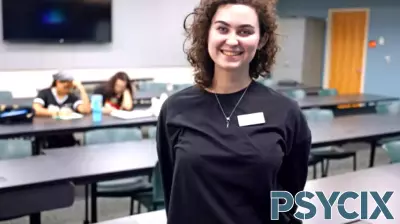
Geisinger Excited About Teaching at SCCKate Geisinger has joined Southeastern Community College as a full-time psychology instructor, bringing with her a strong commitment to student learning and intellectual growth. Geisinger says her...

October 7, 2026 - 03:39
Associate professor of psychology brings evidence-based mental wellness support directly to college studentsKaileigh Byrne, Wallace R. Roy Distinguished Associate Professor of psychology in the College of Behavioral, Social and Health Sciences, has spent years studying how people make decisions under...

October 6, 2026 - 01:22
Inside the Mind: How SailGP Teams Handle Pressure and Build Winning CulturesThe human side of elite sailing takes center stage in the newest chapter of SailGP`s documentary series Racing on the Edge, created alongside Rolex. This installment shifts focus away from boat...