Rethinking Chatbot Effectiveness: The Psychological Approach
May 12, 2025 - 21:43
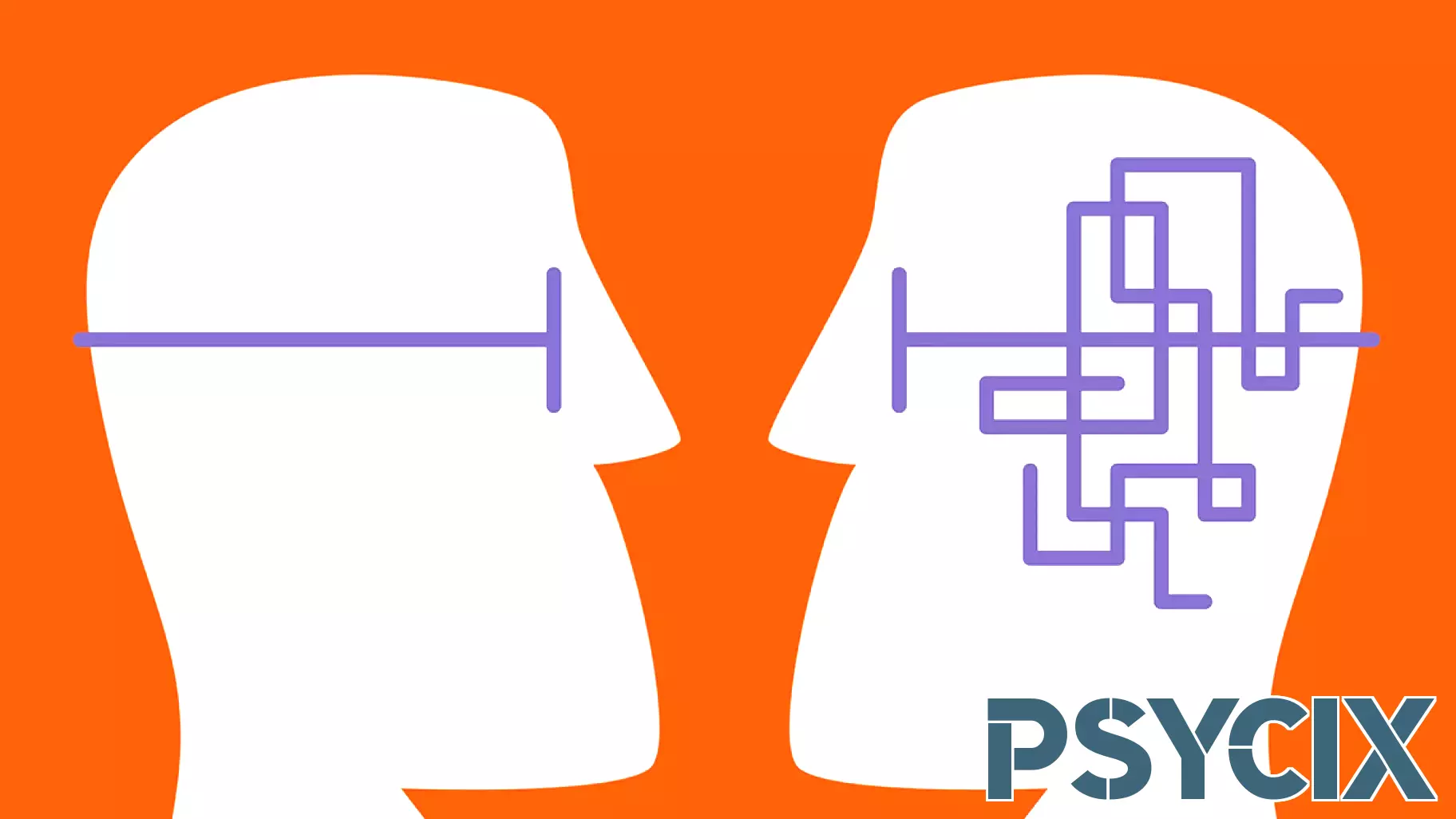
AI-powered chatbots are rapidly becoming the go-to solution for handling customer inquiries, complaints, and refunds. However, many customers are leaving these interactions feeling dissatisfied. Companies often attempt to enhance their chatbots by integrating more advanced AI models, believing that if the technology can mimic human conversation closely enough, customer dissatisfaction will diminish. This perspective overlooks a critical aspect of the issue: the psychological experience of the user.
The key to improving chatbot interactions lies not in technological advancements but in understanding human behavior. Customers need to be encouraged to view chatbots as a beneficial tool rather than a frustrating barrier. Recent research into AI-human interactions has identified several strategies that can enhance customer satisfaction and foster positive perceptions of brands. By implementing these proven actions, businesses can effectively transform their chatbot experiences, leading to increased customer loyalty and higher sales. Ultimately, addressing the psychological factors at play is essential for the successful deployment of AI chatbots in customer service.
MORE NEWS

October 8, 2026 - 15:57
Imitation Is How Children Learn More Than Just WordsWhen a toddler suddenly starts echoing a parent`s words, facial expressions or gestures, it can look like simple mimicry. Developmental psychology research, however, shows that imitation is closely...
October 7, 2026 - 21:42
Geisinger Excited About Teaching at SCCKate Geisinger has joined Southeastern Community College as a full-time psychology instructor, bringing with her a strong commitment to student learning and intellectual growth. Geisinger says her...

October 7, 2026 - 03:39
Associate professor of psychology brings evidence-based mental wellness support directly to college studentsKaileigh Byrne, Wallace R. Roy Distinguished Associate Professor of psychology in the College of Behavioral, Social and Health Sciences, has spent years studying how people make decisions under...

October 6, 2026 - 01:22
Inside the Mind: How SailGP Teams Handle Pressure and Build Winning CulturesThe human side of elite sailing takes center stage in the newest chapter of SailGP`s documentary series Racing on the Edge, created alongside Rolex. This installment shifts focus away from boat...