Renowned Sleep Expert and Educator James B. Maas Passes Away at 86
July 10, 2025 - 17:28
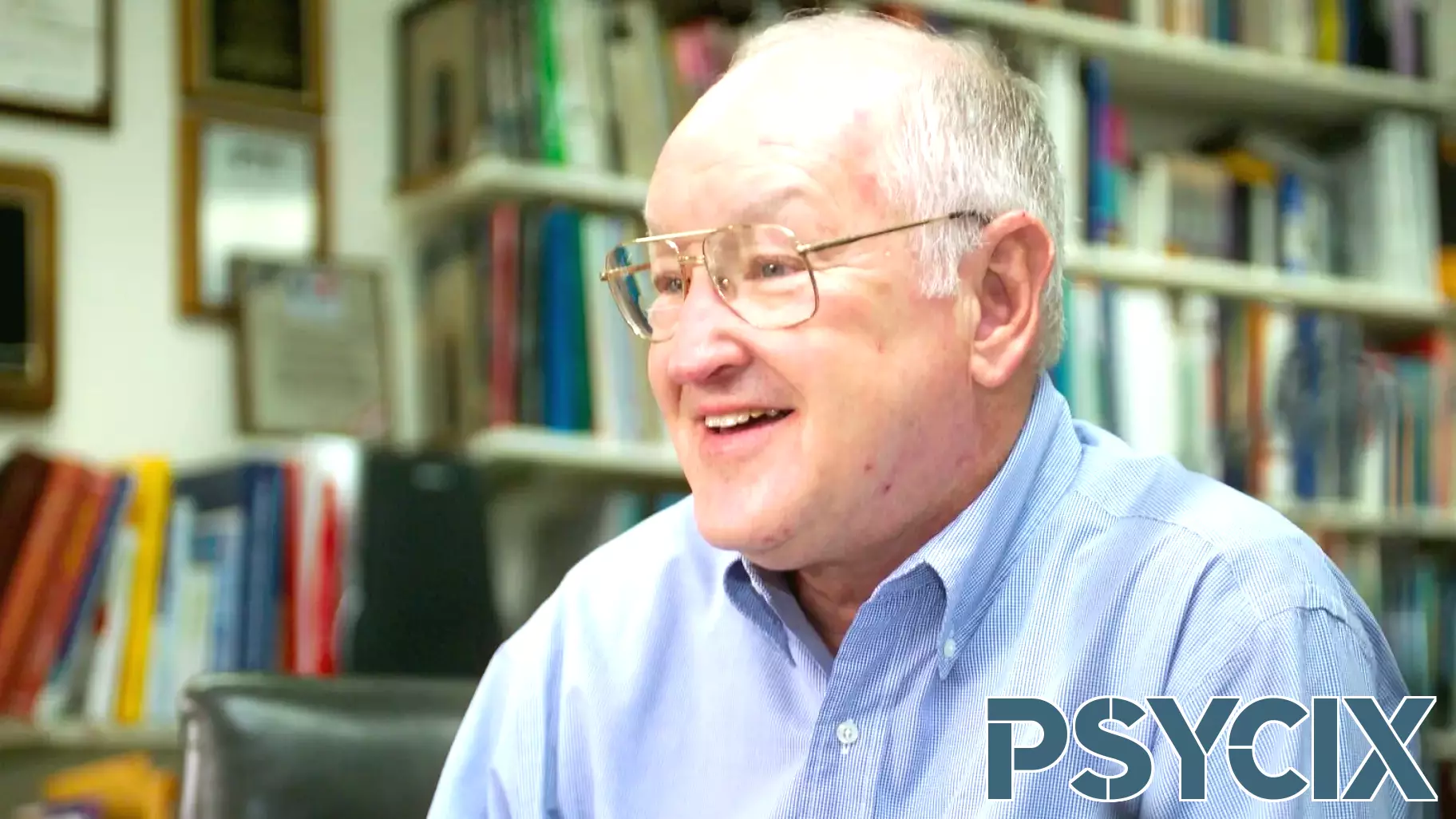
James B. Maas, a prominent figure in the field of sleep research and an esteemed educator, has died at the age of 86. Maas was best known for his engaging introduction to psychology course at Cornell University, where he captivated students with his insights into the science of sleep. His lectures not only illuminated the critical role that sleep plays in mental and physical well-being but also inspired countless individuals to prioritize their rest.
Throughout his career, Maas authored several influential books on sleep, making complex scientific concepts accessible to the general public. His work emphasized the detrimental effects of sleep deprivation and advocated for better sleep hygiene practices. Maas was also a sought-after speaker, sharing his expertise at conferences and workshops around the world.
His contributions to the understanding of sleep's impact on health and performance have left a lasting legacy. As the academic community mourns his passing, many will remember him not only for his scholarly achievements but also for his passion for teaching and his dedication to improving the lives of others through better sleep.
MORE NEWS

October 17, 2026 - 17:32
Debunking Common Psychology MythsSpoiler alert: opposites do not attract. That popular belief is just one of many psychology `facts` that turn out to be myths. A closer look at the research reveals several ideas people repeat...

October 17, 2026 - 06:31
The Psychology Behind Why People Enjoy Being ScaredThere are two kinds of people in October: those who count down the days until they can visit a haunted house, and those who would rather spend the evening anywhere else. For the first group, the...

October 16, 2026 - 17:10
How Psychological Stress Sets Off Arthritis Flares Through an Inflammatory PathwayPsychological stress has long been associated with worsening symptoms in rheumatoid arthritis (RA). However, the underlying mechanism connecting psychological stress to the occurrence of joint...
October 16, 2026 - 08:44
International experts analyze the psychology behind workplace gossip.Mental health has become a growing concern in professional settings, where job pressure and relationships between colleagues shape how employees feel about their work. Researchers are now taking a...