Reconnecting with Creativity in the Era of Generative AI
March 14, 2025 - 11:38

As artificial intelligence continues to revolutionize the writing process, many are questioning whether this technological advancement has stifled our innate creativity. While AI tools can produce text at unprecedented speeds, they may also lead to a reliance on automated solutions, potentially diminishing the joy and originality that comes from personal expression.
To combat this, individuals are encouraged to reconnect with their creative instincts. Embracing traditional writing practices, such as journaling or free writing, can help rekindle the passion for storytelling. Setting aside dedicated time for creative pursuits, free from the distractions of technology, allows for exploration and experimentation in writing.
Additionally, engaging with different art forms, such as painting or music, can inspire new ideas and perspectives. By stepping away from the screen and immersing ourselves in diverse creative experiences, we can rediscover the joy of writing and cultivate a deeper connection with our imaginative selves. In this age of generative AI, the challenge lies in balancing technological assistance with authentic creativity.
MORE NEWS

October 8, 2026 - 15:57
Imitation Is How Children Learn More Than Just WordsWhen a toddler suddenly starts echoing a parent`s words, facial expressions or gestures, it can look like simple mimicry. Developmental psychology research, however, shows that imitation is closely...
October 7, 2026 - 21:42
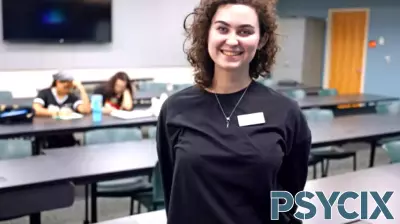
Geisinger Excited About Teaching at SCCKate Geisinger has joined Southeastern Community College as a full-time psychology instructor, bringing with her a strong commitment to student learning and intellectual growth. Geisinger says her...

October 7, 2026 - 03:39
Associate professor of psychology brings evidence-based mental wellness support directly to college studentsKaileigh Byrne, Wallace R. Roy Distinguished Associate Professor of psychology in the College of Behavioral, Social and Health Sciences, has spent years studying how people make decisions under...

October 6, 2026 - 01:22
Inside the Mind: How SailGP Teams Handle Pressure and Build Winning CulturesThe human side of elite sailing takes center stage in the newest chapter of SailGP`s documentary series Racing on the Edge, created alongside Rolex. This installment shifts focus away from boat...