Recognizing Emotional Maturity in a Partner: Key Indicators
July 8, 2025 - 11:45
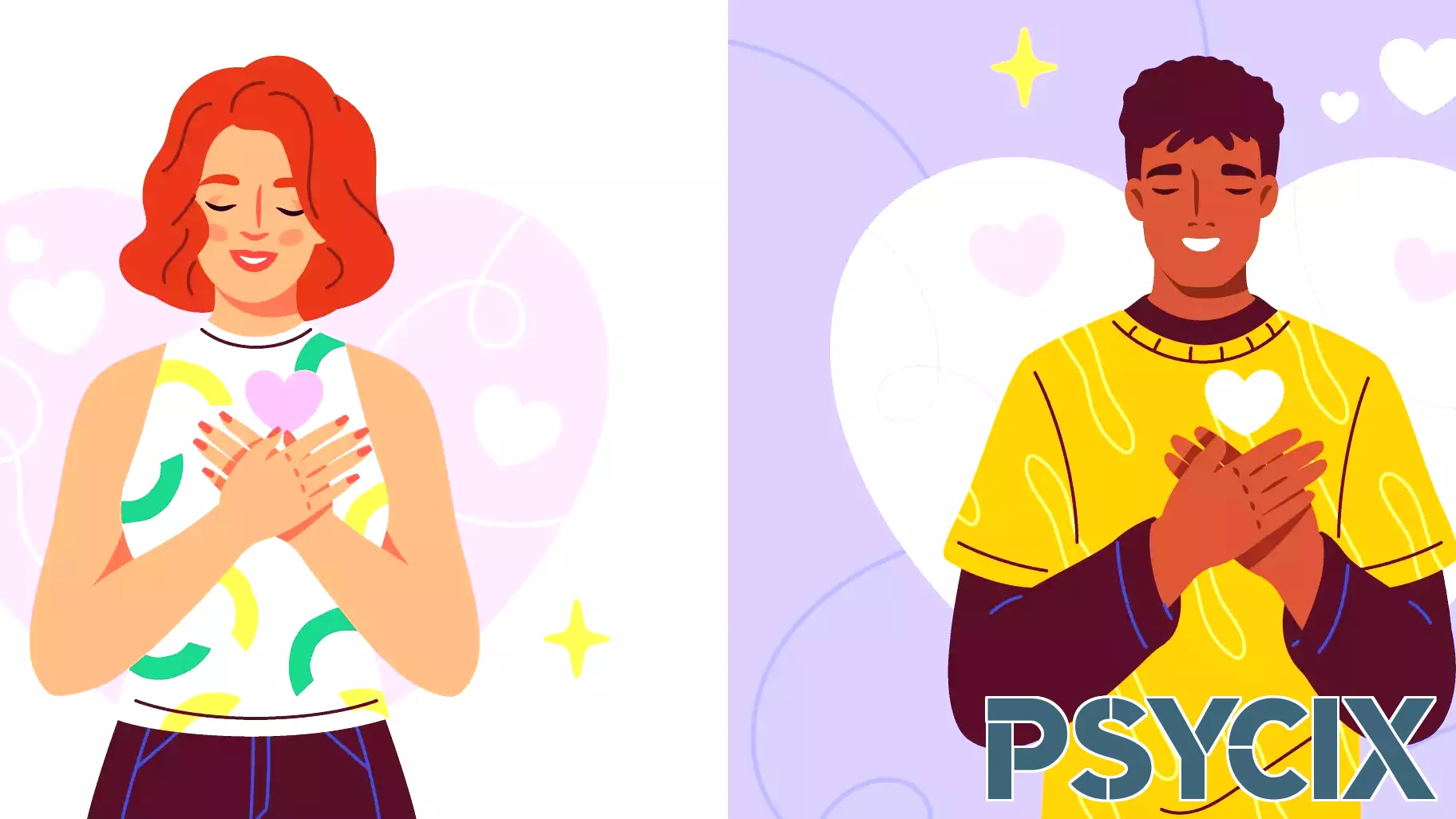
Emotional maturity is an invaluable strength in a partner. Here’s how to tell if they’re truly mature, in ways that serve your connection.
One significant sign of an emotionally mature partner is their ability to communicate openly and honestly. They express their feelings without resorting to blame or defensiveness, fostering a safe environment for both partners to share their thoughts and emotions. This open dialogue promotes understanding and deepens the bond between partners.
Another indicator is their capacity for empathy. An emotionally mature partner can recognize and validate your feelings, even if they do not necessarily agree with your perspective. This ability to empathize helps in resolving conflicts and enhances emotional intimacy within the relationship.
Lastly, emotional maturity is reflected in their willingness to take responsibility for their actions. A mature partner acknowledges their mistakes and learns from them, rather than shifting blame or avoiding accountability. This trait cultivates trust and respect, laying a solid foundation for a healthy and lasting relationship.
MORE NEWS
October 17, 2026 - 06:31
The Psychology Behind Why People Enjoy Being ScaredThere are two kinds of people in October: those who count down the days until they can visit a haunted house, and those who would rather spend the evening anywhere else. For the first group, the...
October 16, 2026 - 17:10
How Psychological Stress Sets Off Arthritis Flares Through an Inflammatory PathwayPsychological stress has long been associated with worsening symptoms in rheumatoid arthritis (RA). However, the underlying mechanism connecting psychological stress to the occurrence of joint...
October 16, 2026 - 08:44
International experts analyze the psychology behind workplace gossip.Mental health has become a growing concern in professional settings, where job pressure and relationships between colleagues shape how employees feel about their work. Researchers are now taking a...

October 15, 2026 - 17:04
Struggles with Fathers Keep Young People Away from Mental Health CareYoung people who have difficult relationships with their fathers are less likely to reach out for mental health support, according to research that points to a troubling gap in care. The finding...