Psychology explains why parents keep old toys for years even when they are broken, unused or no longer nee
September 16, 2026 - 19:19
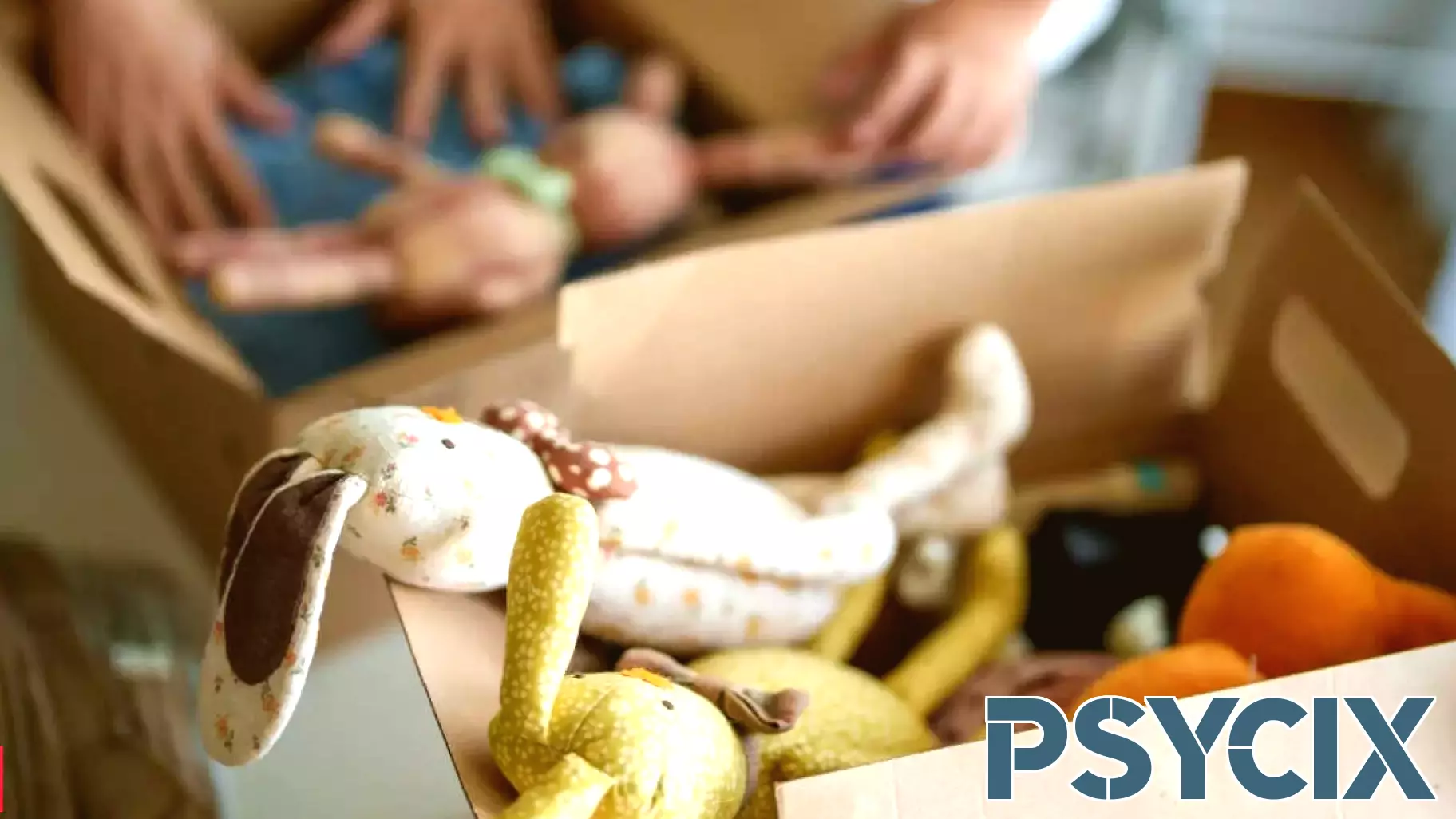
Parents often keep old toys long after children have outgrown them. The items may be broken, missing pieces, or stored in boxes for years. Psychology offers a clear explanation for this behavior. Toys are not simply objects. They carry memories of a child's early years, first steps, favorite games, and quiet afternoons at home. Each worn stuffed animal or faded building block can trigger a vivid sense of the past.
This emotional weight makes it hard to let go. Researchers describe the endowment effect, a mental bias where people assign more value to things simply because they own them. A plastic toy that would be worthless at a yard sale feels priceless to a parent. Letting it go can feel like discarding a piece of family history.
Parents also use these objects to hold onto a version of their child that no longer exists. The baby who clutched a blanket is now a teenager or an adult. Keeping the toy keeps that earlier chapter alive. Guilt plays a role too. Throwing away a gift or a handmade item can feel like a small betrayal.
In the end, the decision to keep broken toys is rarely about clutter. It is about memory, identity, and love. The objects stay because the feelings they represent never fade.
MORE NEWS

November 8, 2026 - 03:57
Attractive and Kind People: Why They Struggle to Form Close FriendshipsAttractive, kind people get approached fast and for a reason. Psychology explains why that reason is exactly where the closeness stops. Often, these individuals find themselves in a unique social...

November 7, 2026 - 09:26
The Impact of Evolution on Love and CompetitionHow much does our evolutionary past dictate whom we love and how we compete? This question was at the heart of recent discussions in psychology podcasts, where two experts presented contrasting...

November 6, 2026 - 22:21
Rising Extremism Among European Youth: A Response to Economic and Social StrainThe radical youth protests now taking place in several European countries are part of broader social shifts that experts have been observing for years. The combination of economic insecurity and...

November 6, 2026 - 04:28
Exploring Fear at Haunted HealyThe Georgetown Program Board hosted its annual Haunted Healy event, blending the realms of psychology and neurobiology to create a chilling experience on October 24. Each year, students flock to...