Psychologists Identify Seven Odd Habits Indicating Post-Travel Blues
September 2, 2025 - 19:34
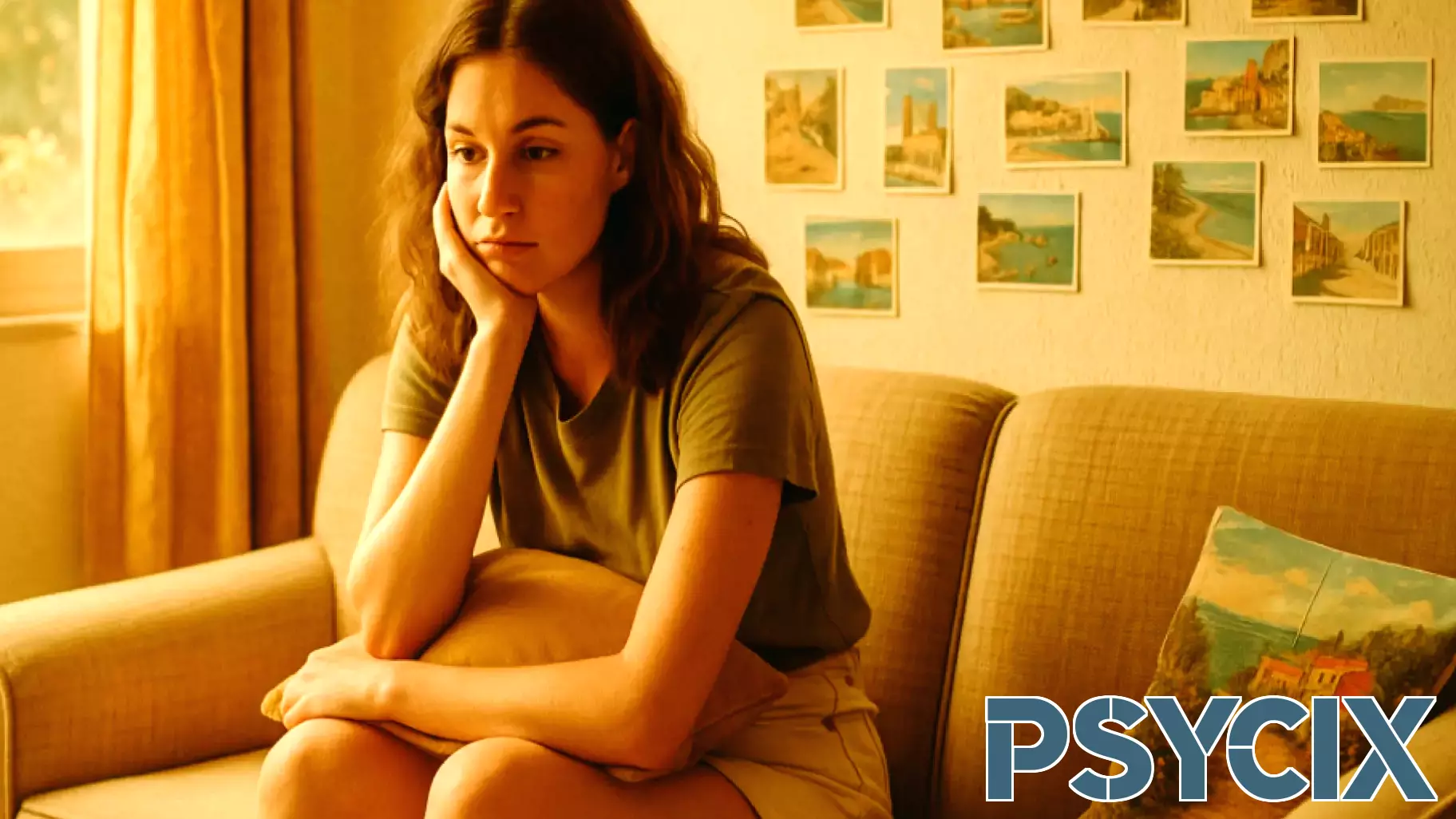
Returning home after a trip can often leave travelers feeling a bit "off." Psychologists have identified seven peculiar behaviors that may indicate this post-travel malaise. Many individuals experience a sense of disconnection or unease in the days following their return, which can manifest in various ways.
One common behavior is excessive reminiscing about the trip, often leading to a sense of nostalgia that overshadows day-to-day life. Others might find themselves disengaged from their usual routines, struggling to re-establish a sense of normalcy. Additionally, some may experience heightened irritability or restlessness, as the excitement of travel contrasts sharply with the monotony of daily responsibilities.
Another behavior is the tendency to isolate oneself, as individuals may feel that others cannot relate to their travel experiences. A few might also engage in compulsive planning for future trips, attempting to recapture the thrill of their recent adventures. Recognizing these behaviors can be the first step in addressing post-travel feelings, allowing individuals to reintegrate into their everyday lives more smoothly.
MORE NEWS

October 18, 2026 - 06:35
Psychologist Weighs In on Trump's Health RemarksPresident Donald Trump made a rather alarming admission about suffering from some `very severe problems` with his health, and now a psychologist has weighed in with evidence for what some of those...

October 17, 2026 - 17:32
Debunking Common Psychology MythsSpoiler alert: opposites do not attract. That popular belief is just one of many psychology `facts` that turn out to be myths. A closer look at the research reveals several ideas people repeat...

October 17, 2026 - 06:31
The Psychology Behind Why People Enjoy Being ScaredThere are two kinds of people in October: those who count down the days until they can visit a haunted house, and those who would rather spend the evening anywhere else. For the first group, the...
October 16, 2026 - 17:10
How Psychological Stress Sets Off Arthritis Flares Through an Inflammatory PathwayPsychological stress has long been associated with worsening symptoms in rheumatoid arthritis (RA). However, the underlying mechanism connecting psychological stress to the occurrence of joint...