Psychologist Reveals Why Holiday Merchandise Appears So Early in Stores
January 3, 2025 - 12:09

A psychologist has provided a straightforward explanation for the increasingly early appearance of holiday merchandise in retail stores. As the holiday season approaches, many consumers have likely noticed that decorations, gifts, and seasonal items seem to emerge on store shelves earlier each year. This trend is not merely a marketing tactic; it is rooted in psychological strategies aimed at influencing consumer behavior.
According to the expert, retailers strategically place holiday items in advance to tap into the emotions associated with the festive season. By introducing these products early, stores create a sense of anticipation and excitement, encouraging shoppers to begin their holiday planning sooner. This early exposure can trigger memories of past celebrations, fostering a nostalgic connection that can lead to increased spending.
Moreover, the psychologist notes that early holiday displays can also capitalize on the phenomenon of "social proof," where consumers feel compelled to join in on holiday preparations as they see others doing the same. This combination of emotional engagement and social influence is a powerful motivator for shoppers, ultimately driving sales and boosting the holiday shopping season's profitability.
MORE NEWS

October 8, 2026 - 15:57
Imitation Is How Children Learn More Than Just WordsWhen a toddler suddenly starts echoing a parent`s words, facial expressions or gestures, it can look like simple mimicry. Developmental psychology research, however, shows that imitation is closely...
October 7, 2026 - 21:42
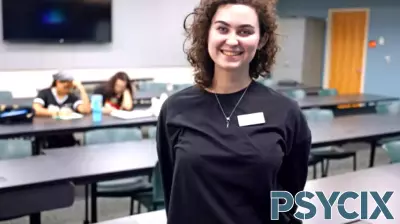
Geisinger Excited About Teaching at SCCKate Geisinger has joined Southeastern Community College as a full-time psychology instructor, bringing with her a strong commitment to student learning and intellectual growth. Geisinger says her...

October 7, 2026 - 03:39
Associate professor of psychology brings evidence-based mental wellness support directly to college studentsKaileigh Byrne, Wallace R. Roy Distinguished Associate Professor of psychology in the College of Behavioral, Social and Health Sciences, has spent years studying how people make decisions under...

October 6, 2026 - 01:22
Inside the Mind: How SailGP Teams Handle Pressure and Build Winning CulturesThe human side of elite sailing takes center stage in the newest chapter of SailGP`s documentary series Racing on the Edge, created alongside Rolex. This installment shifts focus away from boat...