Pollution's Impact on Dementia Risk: A Growing Concern
October 8, 2025 - 17:21

As we age, our health is influenced by various factors, including diet and exercise. However, emerging research highlights an often-overlooked aspect: the quality of the air we breathe. Recent studies have established a concerning link between air pollution and an increased risk of developing dementia.
Pollutants such as fine particulate matter and nitrogen dioxide have been found to contribute to cognitive decline. These harmful substances can infiltrate the brain, leading to inflammation and other neurological issues. Researchers emphasize that both long-term exposure to polluted air and short bursts of high pollution levels can have detrimental effects on brain health.
As dementia rates continue to rise globally, understanding the environmental factors that contribute to this condition is crucial. Public health initiatives may need to expand their focus beyond traditional lifestyle factors to include air quality improvements. This shift could play a significant role in safeguarding cognitive health as populations age.
MORE NEWS

October 9, 2026 - 01:11
Psychology Professors Raise Concerns About AI Dependence in StudentsPsychology professors are expressing growing concern that students` increasing reliance on artificial intelligence tools may be weakening essential cognitive and academic skills. In a recent...

October 8, 2026 - 15:57
Imitation Is How Children Learn More Than Just WordsWhen a toddler suddenly starts echoing a parent`s words, facial expressions or gestures, it can look like simple mimicry. Developmental psychology research, however, shows that imitation is closely...
October 7, 2026 - 21:42
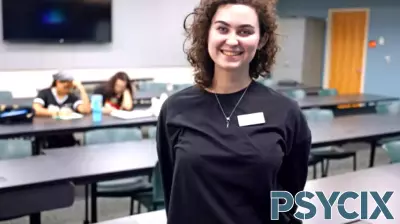
Geisinger Excited About Teaching at SCCKate Geisinger has joined Southeastern Community College as a full-time psychology instructor, bringing with her a strong commitment to student learning and intellectual growth. Geisinger says her...

October 7, 2026 - 03:39
Associate professor of psychology brings evidence-based mental wellness support directly to college studentsKaileigh Byrne, Wallace R. Roy Distinguished Associate Professor of psychology in the College of Behavioral, Social and Health Sciences, has spent years studying how people make decisions under...