Pickleball Psychology: Why You Miss Easy Shots
April 16, 2026 - 18:58
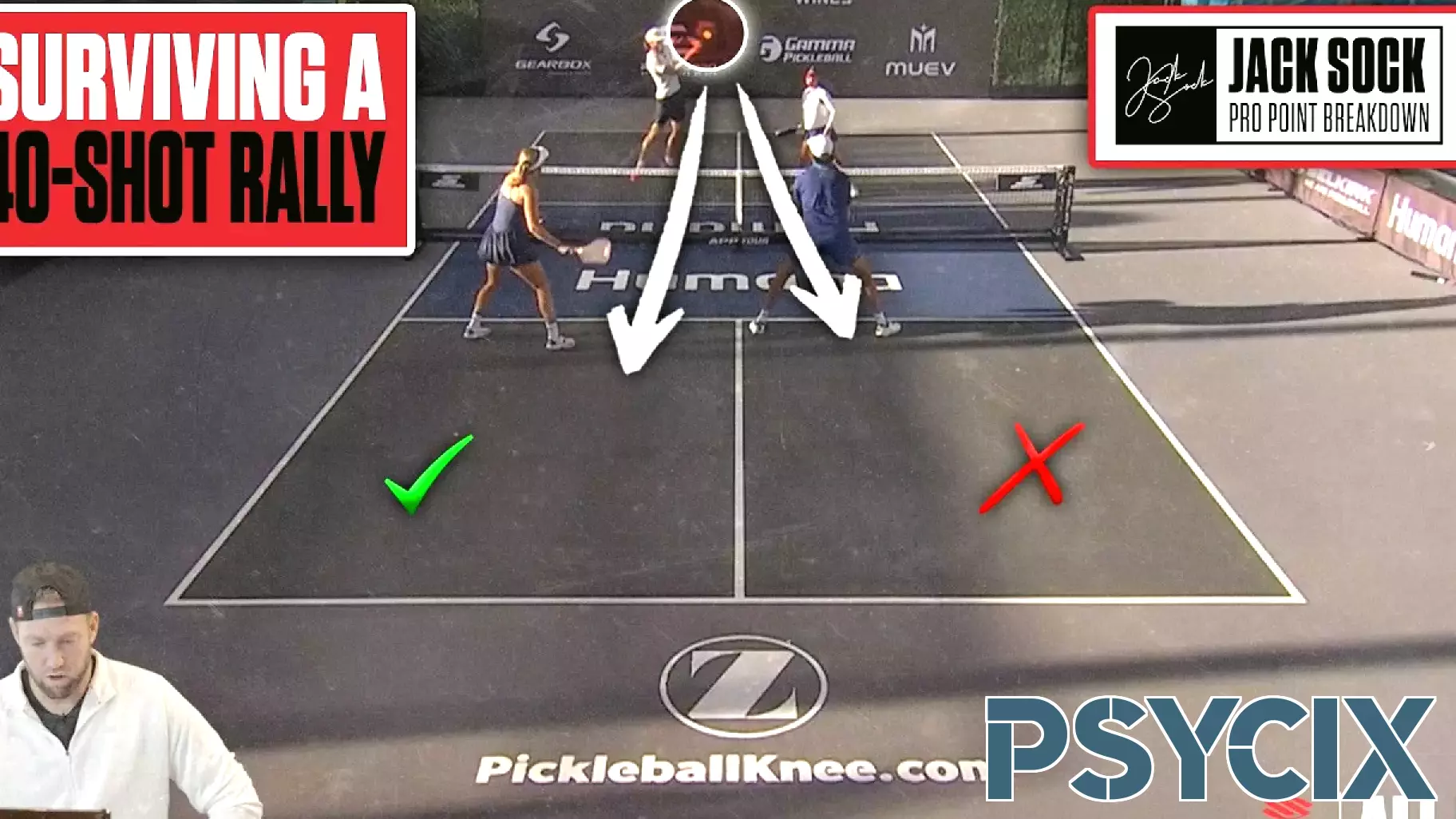
In the fast-paced world of pickleball, players often lament missing what should be a simple, game-ending shot. The culprit frequently isn't physical error but psychological pressure. The mental aspect of the sport plays a decisive role, particularly during long, grueling rallies where focus can fracture.
The phenomenon is explained by how relentless defensive play creates mental fatigue. When an opponent consistently returns every ball, extending rallies point after point, frustration and impatience naturally build. This mounting pressure can cause a player to overthink what should be an automatic shot. Instead of relying on practiced form and muscle memory, the mind interferes with thoughts of winning the point immediately, leading to tightened muscles, altered timing, and unforced errors.
This breakdown highlights that pickleball is as much a mental battle as a physical one. Maintaining composure and discipline during extended exchanges is crucial. The ability to stay process-oriented, focusing on each shot's execution rather than the point's outcome, separates consistent performers from those who succumb to psychological pressure and watch easy opportunities sail wide or into the net.
MORE NEWS

October 14, 2026 - 16:09
When AI becomes a tool for psychological manipulation: A new challenge for digital security.Artificial intelligence is reshaping how criminals target and control their victims. What once required a skilled con artist can now be automated, scaled, and disguised as a friendly voice or a...

October 13, 2026 - 23:44
Gold Award Girl Scout Organizes Psychology Expo for High School StudentsA local scout has achieved the highest recognition available in her organization by creating a resource for students navigating mental health challenges. Hayley Elisa Castro from Long Valley was...

October 13, 2026 - 08:32
Genetic scores linked to depression and neuroticism are associated with lower voter turnoutA new study suggests that your DNA might have a say in whether you show up at the polls. Researchers analyzing data from more than 50,000 individuals have found that genetic predispositions linked...

October 12, 2026 - 19:44
Parenting in the Digital Age: Managing Tech AnxietyEmily Oster, an economist and author known for her data driven approach to parenting, recently addressed the growing concern many families feel about raising children surrounded by technology. She...