New Guidelines Acknowledge IUD-Related Pain and Its Impact
May 18, 2025 - 01:14
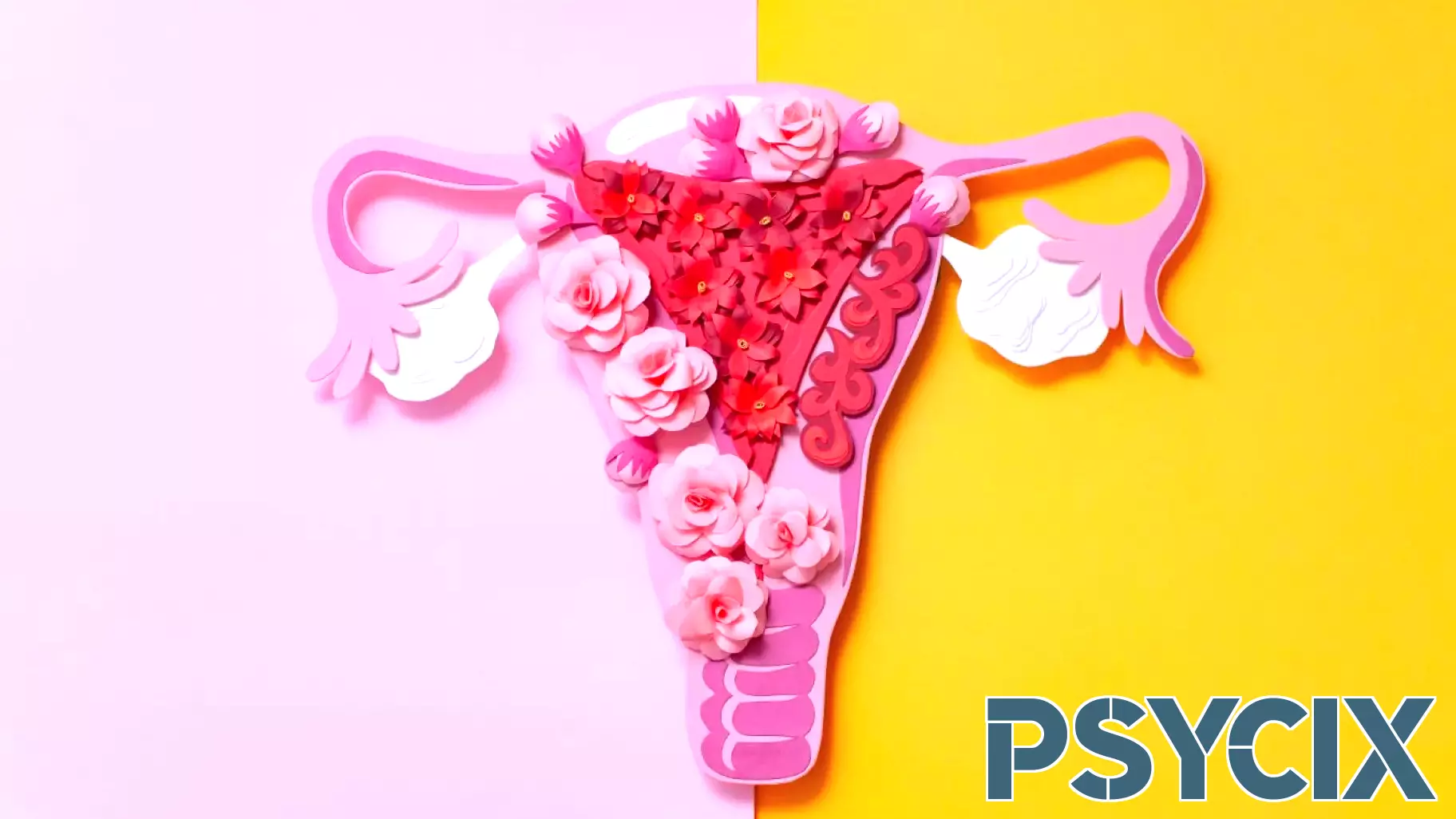
Recent updates in medical guidelines have brought significant attention to the pain associated with intrauterine devices (IUDs), marking a pivotal shift in the approach to women's health. This recognition not only validates the experiences of countless women but also emphasizes the need for improved pain management strategies during and after IUD insertion.
Historically, women's pain has often been dismissed or minimized, leading to inadequate care and support. However, these new guidelines encourage healthcare providers to take IUD-related pain seriously, ensuring that patients receive comprehensive assessments and tailored pain relief options. This shift aims to empower women by fostering open conversations about their experiences and expectations regarding IUDs.
For patients, this means a more informed and supportive healthcare environment where their concerns are acknowledged. Providers are urged to prioritize pain management and to consider individual patient needs when recommending contraceptive options. Ultimately, this development signifies a broader movement toward recognizing and addressing women's health issues with the seriousness they deserve.
MORE NEWS

October 18, 2026 - 06:35
Psychologist Weighs In on Trump's Health RemarksPresident Donald Trump made a rather alarming admission about suffering from some `very severe problems` with his health, and now a psychologist has weighed in with evidence for what some of those...

October 17, 2026 - 17:32
Debunking Common Psychology MythsSpoiler alert: opposites do not attract. That popular belief is just one of many psychology `facts` that turn out to be myths. A closer look at the research reveals several ideas people repeat...

October 17, 2026 - 06:31
The Psychology Behind Why People Enjoy Being ScaredThere are two kinds of people in October: those who count down the days until they can visit a haunted house, and those who would rather spend the evening anywhere else. For the first group, the...
October 16, 2026 - 17:10
How Psychological Stress Sets Off Arthritis Flares Through an Inflammatory PathwayPsychological stress has long been associated with worsening symptoms in rheumatoid arthritis (RA). However, the underlying mechanism connecting psychological stress to the occurrence of joint...