Mirra Andreeva Shares Insights on Mental Resilience
February 20, 2025 - 20:30

In a remarkable display of skill and determination, 17-year-old tennis sensation Mirra Andreeva recently stunned world No. 2 Iga Swiatek in Dubai. Following her impressive victory, Andreeva opened up about the mental strategies that contribute to her success on the court. The young athlete revealed that she works closely with a sports psychologist, who has been instrumental in helping her channel her emotions, particularly anger, into a positive force during matches.
Andreeva emphasized the importance of mental toughness in professional sports, stating that managing emotions can significantly impact performance. By learning to harness her feelings, she has been able to maintain focus and composure even in high-pressure situations. This approach not only aids her during competitions but also fosters personal growth and resilience.
As she continues to rise in the ranks of women's tennis, Andreeva's insights into mental preparation and emotional management may serve as an inspiration to aspiring athletes looking to navigate the challenges of competitive sports.
MORE NEWS

October 9, 2026 - 01:11
Psychology Professors Raise Concerns About AI Dependence in StudentsPsychology professors are expressing growing concern that students` increasing reliance on artificial intelligence tools may be weakening essential cognitive and academic skills. In a recent...

October 8, 2026 - 15:57
Imitation Is How Children Learn More Than Just WordsWhen a toddler suddenly starts echoing a parent`s words, facial expressions or gestures, it can look like simple mimicry. Developmental psychology research, however, shows that imitation is closely...
October 7, 2026 - 21:42
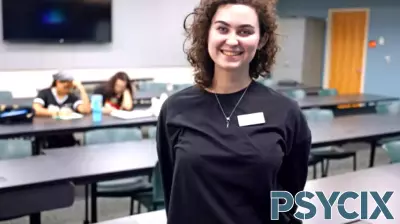
Geisinger Excited About Teaching at SCCKate Geisinger has joined Southeastern Community College as a full-time psychology instructor, bringing with her a strong commitment to student learning and intellectual growth. Geisinger says her...

October 7, 2026 - 03:39
Associate professor of psychology brings evidence-based mental wellness support directly to college studentsKaileigh Byrne, Wallace R. Roy Distinguished Associate Professor of psychology in the College of Behavioral, Social and Health Sciences, has spent years studying how people make decisions under...