Mastering Body Language: Key Tips for Job Interview Success
July 30, 2025 - 00:58

Want to make a good first impression at a job interview? Try these body language hacks from a workplace psychologist. Nonverbal communication plays a crucial role in how you are perceived by potential employers. Here are four essential tips to enhance your body language during interviews.
First, maintain eye contact. This demonstrates confidence and engagement, making you appear more trustworthy. However, be mindful not to overdo it, as excessive staring can be uncomfortable.
Next, adopt an open posture. Avoid crossing your arms or legs, as this can signal defensiveness. Instead, keep your arms relaxed and your hands visible to convey openness and approachability.
Additionally, be aware of your facial expressions. A genuine smile can go a long way in making a positive impression. It shows enthusiasm and can help establish rapport with the interviewer.
Lastly, practice your gestures. Controlled and purposeful movements can emphasize your points and make your communication more dynamic. Remember, authenticity is key; if you try to fake confidence, it may come across as insincere. Embrace these tips to boost your chances of success in your next job interview.
MORE NEWS

October 9, 2026 - 01:11
Psychology Professors Raise Concerns About AI Dependence in StudentsPsychology professors are expressing growing concern that students` increasing reliance on artificial intelligence tools may be weakening essential cognitive and academic skills. In a recent...

October 8, 2026 - 15:57
Imitation Is How Children Learn More Than Just WordsWhen a toddler suddenly starts echoing a parent`s words, facial expressions or gestures, it can look like simple mimicry. Developmental psychology research, however, shows that imitation is closely...
October 7, 2026 - 21:42
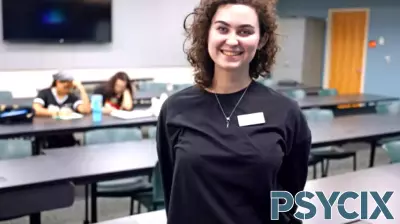
Geisinger Excited About Teaching at SCCKate Geisinger has joined Southeastern Community College as a full-time psychology instructor, bringing with her a strong commitment to student learning and intellectual growth. Geisinger says her...

October 7, 2026 - 03:39
Associate professor of psychology brings evidence-based mental wellness support directly to college studentsKaileigh Byrne, Wallace R. Roy Distinguished Associate Professor of psychology in the College of Behavioral, Social and Health Sciences, has spent years studying how people make decisions under...