Innovative AI Device Aims to Alleviate Chronic Pain Without Medication
July 5, 2025 - 13:28
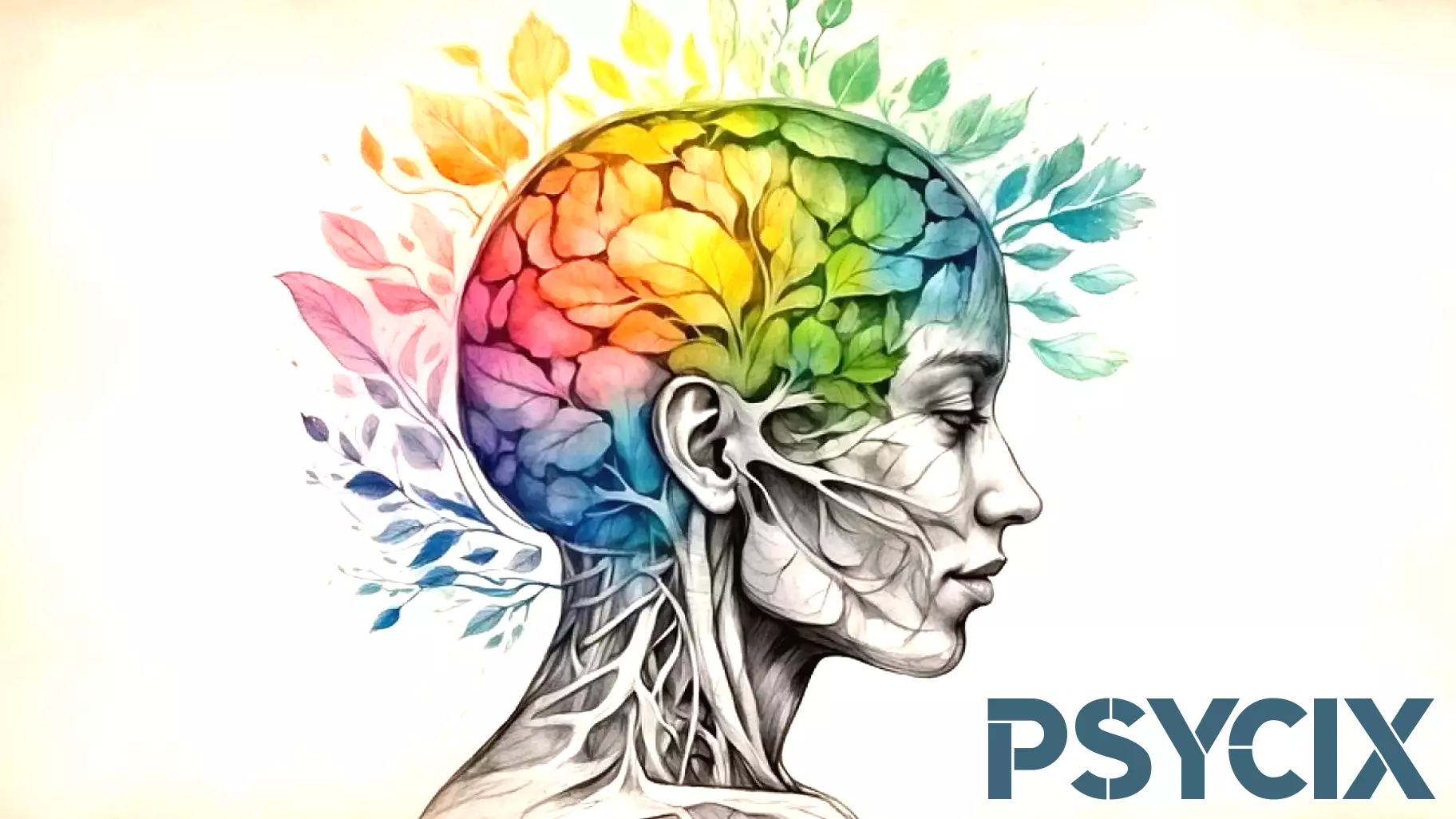
Researchers from USC and UCLA have developed a groundbreaking wireless device that leverages artificial intelligence to address chronic pain. This innovative technology decodes pain levels directly from brain activity, offering a personalized approach to treatment. By analyzing neural signals, the device can customize spinal cord stimulation, providing targeted relief for individuals suffering from persistent pain conditions.
Chronic pain affects millions of people worldwide, often leading to a reliance on medication that can have adverse side effects or lead to dependency. The new device seeks to change that narrative by utilizing AI to create a more effective and safer alternative.
The implications of this research are vast, potentially transforming the landscape of pain management. As the device continues to be refined and tested, it holds promise not only for improving the quality of life for those affected by chronic pain but also for reducing the overall burden on healthcare systems. The future of pain treatment may very well lie in the intersection of technology and neuroscience.
MORE NEWS

October 9, 2026 - 01:11
Psychology Professors Raise Concerns About AI Dependence in StudentsPsychology professors are expressing growing concern that students` increasing reliance on artificial intelligence tools may be weakening essential cognitive and academic skills. In a recent...

October 8, 2026 - 15:57
Imitation Is How Children Learn More Than Just WordsWhen a toddler suddenly starts echoing a parent`s words, facial expressions or gestures, it can look like simple mimicry. Developmental psychology research, however, shows that imitation is closely...
October 7, 2026 - 21:42
Geisinger Excited About Teaching at SCCKate Geisinger has joined Southeastern Community College as a full-time psychology instructor, bringing with her a strong commitment to student learning and intellectual growth. Geisinger says her...

October 7, 2026 - 03:39
Associate professor of psychology brings evidence-based mental wellness support directly to college studentsKaileigh Byrne, Wallace R. Roy Distinguished Associate Professor of psychology in the College of Behavioral, Social and Health Sciences, has spent years studying how people make decisions under...