How Would Humanity Respond to First Contact with Extraterrestrial Life?
May 25, 2025 - 19:58
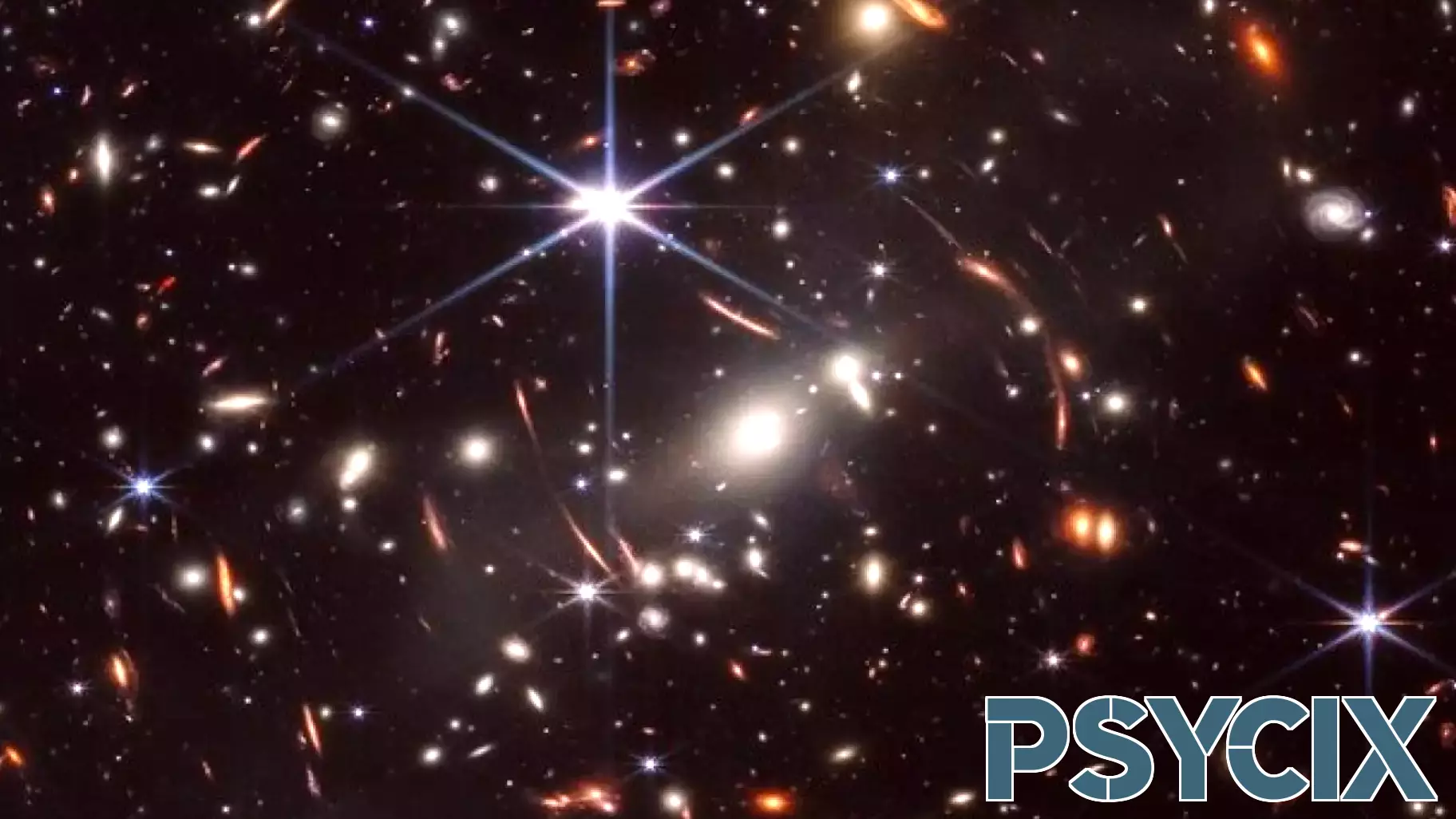
As discussions about the possibility of extraterrestrial life intensify, a thought-provoking question arises: How would humanity react to the news of first contact with aliens? An author known for crafting plausible science-fiction narratives delves into this intriguing scenario, exploring the psychological and societal implications of such an unprecedented event.
The author suggests that the initial reaction could range from sheer disbelief to overwhelming excitement. Many individuals might struggle to comprehend the reality of intelligent life beyond Earth, leading to a mix of fear and fascination. The potential for cultural upheaval is significant, as established beliefs and worldviews could be challenged.
Communities may respond differently, with some embracing the news as a catalyst for unity and collaboration, while others might react with skepticism or hostility. The author emphasizes that the impact of first contact would extend beyond individual reactions, potentially reshaping global politics, religion, and science.
Ultimately, the prospect of encountering extraterrestrial beings could serve as a mirror, reflecting humanity's deepest fears and aspirations. As we ponder this possibility, it becomes clear that the reaction to first contact would be as complex and varied as humanity itself.
MORE NEWS

October 18, 2026 - 06:35
Psychologist Weighs In on Trump's Health RemarksPresident Donald Trump made a rather alarming admission about suffering from some `very severe problems` with his health, and now a psychologist has weighed in with evidence for what some of those...
October 17, 2026 - 17:32
Debunking Common Psychology MythsSpoiler alert: opposites do not attract. That popular belief is just one of many psychology `facts` that turn out to be myths. A closer look at the research reveals several ideas people repeat...

October 17, 2026 - 06:31
The Psychology Behind Why People Enjoy Being ScaredThere are two kinds of people in October: those who count down the days until they can visit a haunted house, and those who would rather spend the evening anywhere else. For the first group, the...
October 16, 2026 - 17:10
How Psychological Stress Sets Off Arthritis Flares Through an Inflammatory PathwayPsychological stress has long been associated with worsening symptoms in rheumatoid arthritis (RA). However, the underlying mechanism connecting psychological stress to the occurrence of joint...