How to change your personality for lasting happiness, according to a psychologist
August 16, 2026 - 05:06
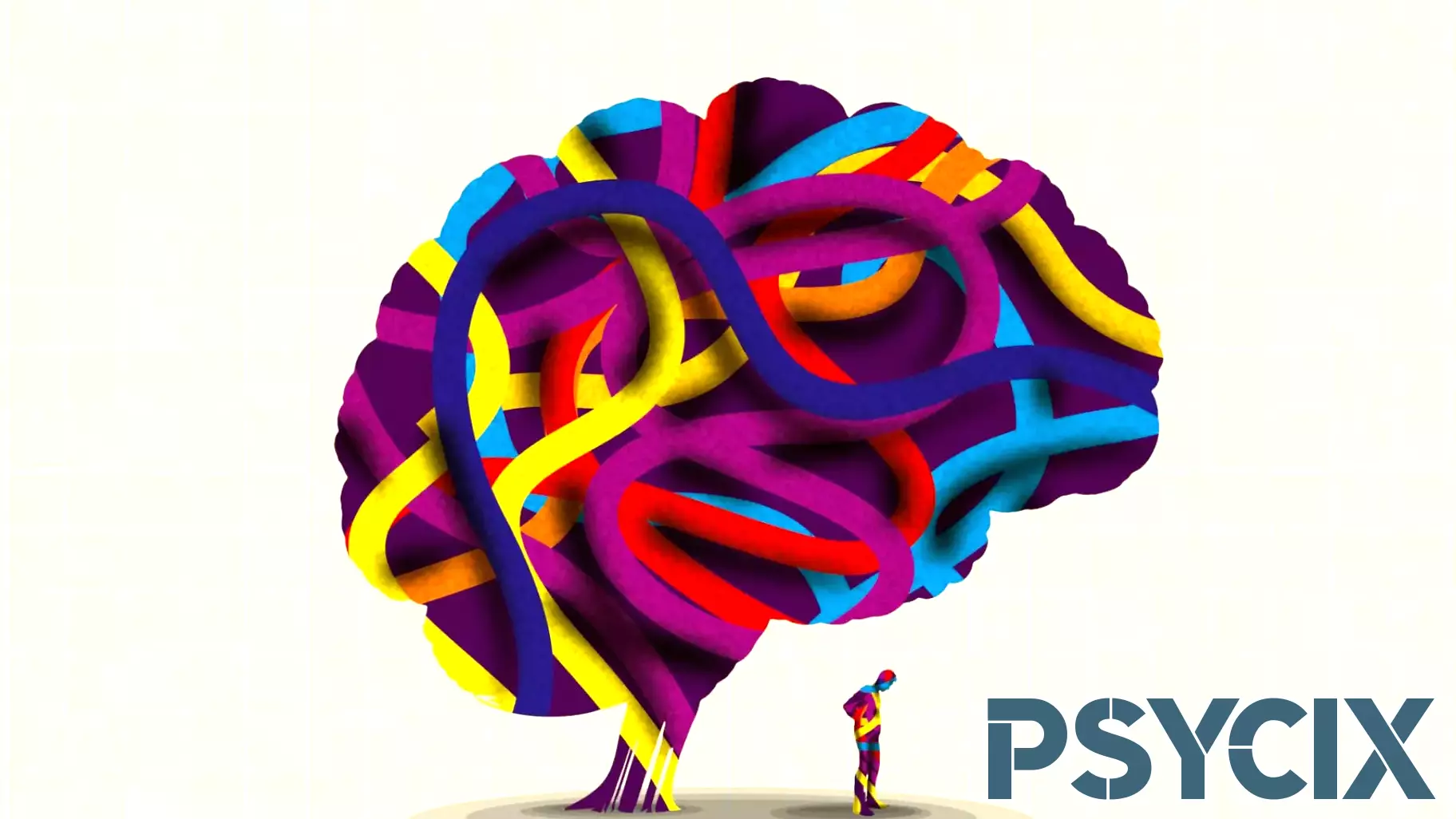
Psychologists have long debated whether personality is fixed or fluid. The old view held that your core traits were set by your mid-twenties, like a finished sculpture. But a growing body of research suggests that personality is more like clay than stone. You can shape it, especially the trait that causes the most daily misery: neuroticism.
Neuroticism is the tendency to experience negative emotions like anxiety, anger, and self-doubt. It is not a diagnosis. It is a spectrum. Everyone sits somewhere on it. A high score means you react to stress with intense worry. A low score means you let things roll off your back. The good news is that your score is not your destiny.
The first step is measurement. You can find free, validated tests online, but you do not need a formal quiz. Ask yourself a few honest questions. Do you replay conversations in your head looking for mistakes? Do you assume the worst when a friend texts back slowly? Do you feel physically tense before a meeting that is not even a real threat? If you answered yes to most of these, you likely run high on the scale.
The fix is not to suppress your feelings. That backfires. Instead, psychologists recommend a technique called cognitive reappraisal. It means changing the story you tell yourself about a stressful event. For example, if your boss sends a vague email saying "we need to talk," your first thought might be "I am getting fired." A reappraisal would be "maybe it is about a new project." You are not lying to yourself. You are just considering other possibilities before the panic sets in.
Another practical step is to build a buffer against stress. High neuroticism often comes with a sensitive nervous system. Regular sleep, physical movement, and time outdoors literally lower your baseline anxiety. You are not fixing your personality. You are giving your brain the fuel it needs to react less sharply.
Finally, practice self-distancing. When you feel a wave of negativity, try to describe your emotions in the third person. Instead of saying "I am so angry," say "John is feeling angry right now." This tiny shift creates mental space between you and the feeling. It does not erase the emotion, but it stops it from taking over your whole identity.
Changing your neuroticism score is not about becoming a different person. It is about becoming a calmer version of yourself. The research shows that people who lower their neuroticism report higher life satisfaction, better relationships, and even improved physical health. You do not need to wait for a personality transplant. You just need to measure where you are, then practice a few small shifts every day. The results are lasting, and they are worth the effort.
MORE NEWS

November 14, 2026 - 13:15
The Urge to Share Small Wins: Why Some Celebrate While Others Stay QuietYou finally cleared an exam, fixed a stubborn bug at work, or simply cooked a perfect plate of dal. What`s the first thing you do? For some, the instinct is to share the news immediately,...

November 13, 2026 - 21:59
Corporate Security Firms Educate on Avoiding Honeypot ScamsCorporate security firms train companies and their employees on strategies for being vigilant against honeypots and other social engineering attacks. These scams often lure individuals with the...

November 13, 2026 - 13:37
The Curious Nature of Running ToddlersAnyone who has chased a toddler across a park knows the feeling. One second they are holding your hand, and the next they are a small blur, running as fast as they can, heading for the gate, the...

November 12, 2026 - 19:07
Psychology Students Explore Behavioral Health ServicesStudents gained a firsthand look at behavioral health services and career opportunities during a visit to Centerstone Behavioral Health Crisis Center. The trip allowed psychology students to engage...