How climate change and human psychology make this cold snap feel so harsh
February 4, 2026 - 01:50
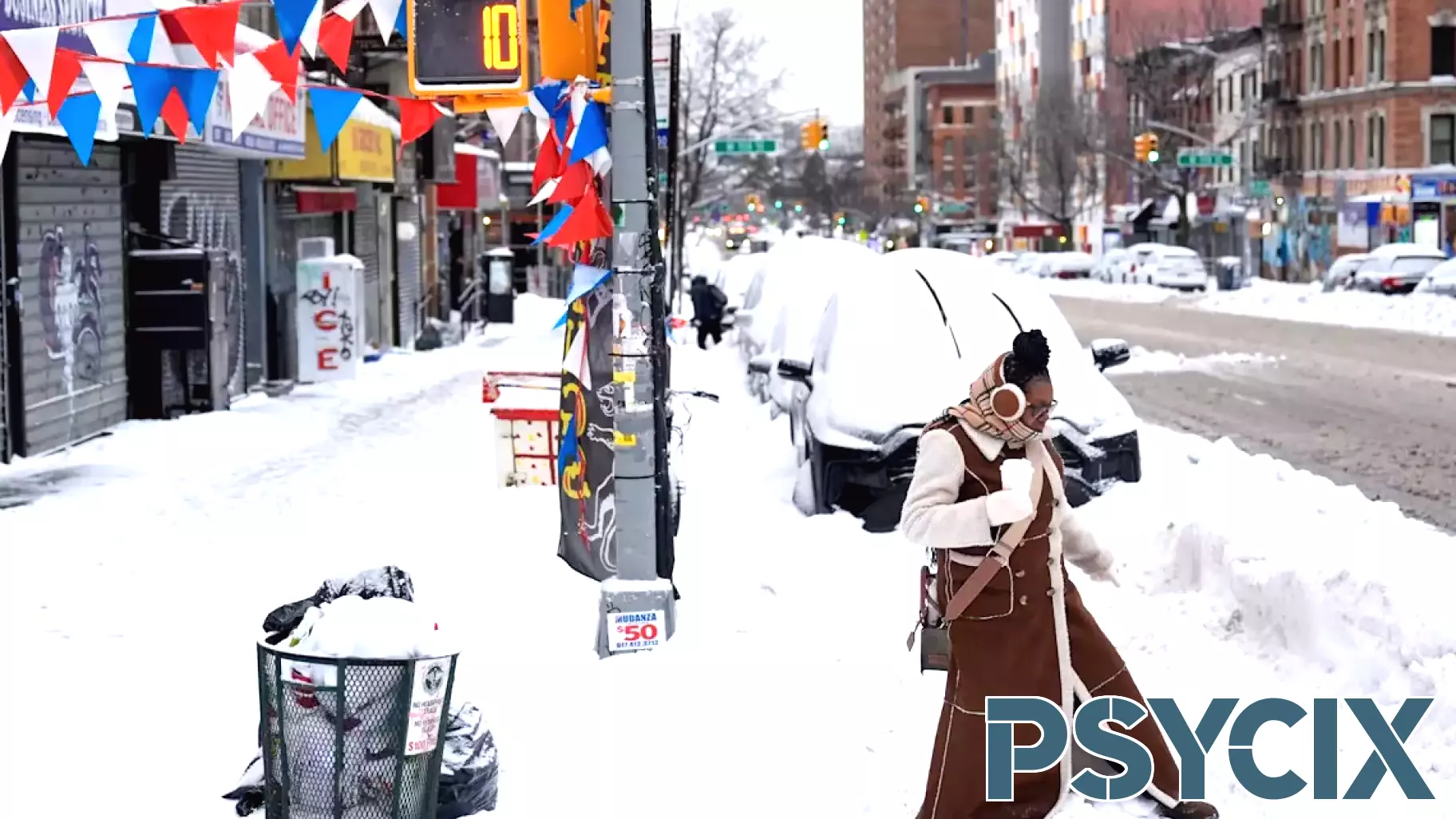
As a bitter cold snap grips parts of the nation, the discomfort feels particularly acute. Meteorologists point to a significant psychological and climatological shift behind this heightened perception of winter's bite.
The early decades of the 21st century have been marked by consistently warmer-than-average temperatures, a trend largely driven by human-caused climate change. For many, especially younger generations, prolonged periods of severe cold have become an unfamiliar experience. Our collective baseline for "normal" winter weather has shifted toward milder conditions, making a return to intense cold feel like a shocking anomaly.
This feeling is underscored by hard data. Research encompassing over 240 U.S. weather stations confirms that freezing spells have become less frequent, cover less geographic area, and are of shorter duration. The current prolonged event is a stark deviation from this recent pattern.
Consequently, the body and mind are less acclimated. We've grown used to milder winters, both physically and psychologically. When a classic Arctic blast descends, it clashes with our new normal, amplifying the sense of severity. This contrast between our recent experience and the present reality makes the cold not just a meteorological event, but a potent reminder of the changing climate's complex impacts on our daily lives.
MORE NEWS

September 17, 2026 - 20:04
My holiday is still a year away. It’s already boosting my mental healthThe countdown has begun, even if the calendar says otherwise. We are still months from ordering our first suspiciously expensive waterside cocktail, but Greece has joyfully entered the group chat....

September 17, 2026 - 15:41
The 'Hibernation Instinct' Is Real — This Is the Psychology Behind the Desire to Hunker Down When the Weather Starts to ShiftThe urge to retreat indoors when temperatures drop is not laziness. It is biology. Researchers describe a hibernation instinct that lingers in humans, a leftover from ancestors who conserved energy...

September 16, 2026 - 19:19
Psychology explains why parents keep old toys for years even when they are broken, unused or no longer neeParents often keep old toys long after children have outgrown them. The items may be broken, missing pieces, or stored in boxes for years. Psychology offers a clear explanation for this behavior....

September 16, 2026 - 15:52
The Trust Gap: Why AI Disclosure Creates a Psychological ParadoxPeople tend to have a negative bias toward AI interactions. When told a machine is involved, they often trust the output less, even if the information is identical to what a human would provide....