How Children's Pretend Play Reflects Their Understanding of Adulthood
November 12, 2026 - 14:09
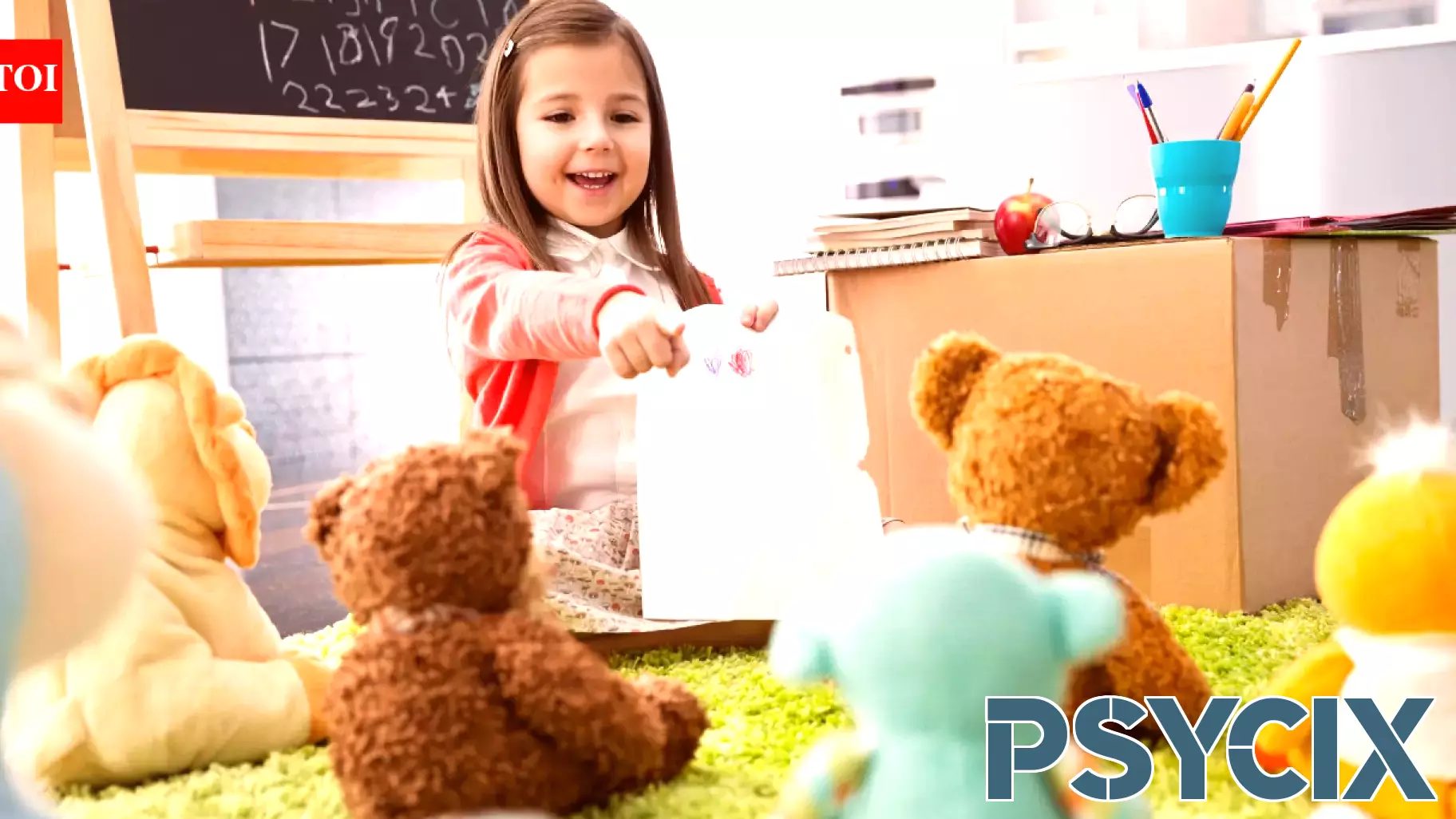
A little girl lines up her soft toys on the bed, puts on a stern face and says, "Sit properly. No talking in class." Her brother, meanwhile, listens to a teddy bear's chest with a toy stethoscope and says that it needs medicine. This scene captures a common aspect of childhood: imaginative play. Researchers suggest that when children engage in role-playing as teachers, doctors, or parents, they are not just having fun. They are exploring their understanding of the adult world around them.
Through these playful scenarios, children mimic behaviors and responsibilities they observe in adults. This form of play helps them process their experiences, develop social skills, and learn about authority and care. As they navigate these roles, they express their thoughts and feelings about the complexities of adulthood. Such pretend play is crucial for cognitive and emotional development, allowing children to experiment with different identities and understand the dynamics of relationships. In essence, these playful moments serve as a window into their perceptions of the world.
MORE NEWS

November 11, 2026 - 19:38
Navigating Team Dynamics: Addressing Credit Stealing in the WorkplaceRecent psychology research sheds light on a common issue in team environments: individuals who exaggerate their contributions to projects. This behavior mirrors a well-documented self-serving bias...

November 11, 2026 - 04:42
Using Your Name to Ease Stress: A Simple TrickSwap `I` for your own name, and your brain may take a small step back from the storm. Picture this: you are about to walk into a difficult meeting, or you have just read a message that made your...

November 10, 2026 - 00:24
The Psychology of Starting Fresh: Transforming Struggles into SuccessStarting over can be daunting, yet it often leads to profound personal growth. Many people find themselves at a crossroads after facing challenges that seem insurmountable. In these moments, the...

November 9, 2026 - 01:01
The Impact of a Workaholic on Office DynamicsWhen employees work alongside a workaholic, they often feel pressured to match those long hours. A recent study sheds light on this phenomenon, revealing that while some coworkers may be motivated...